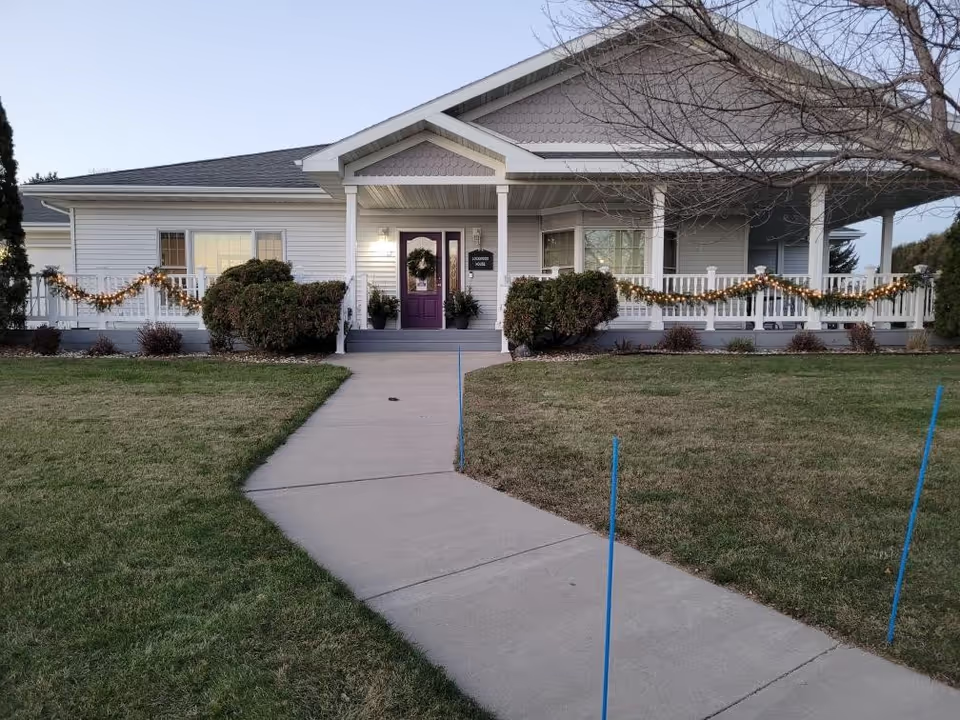
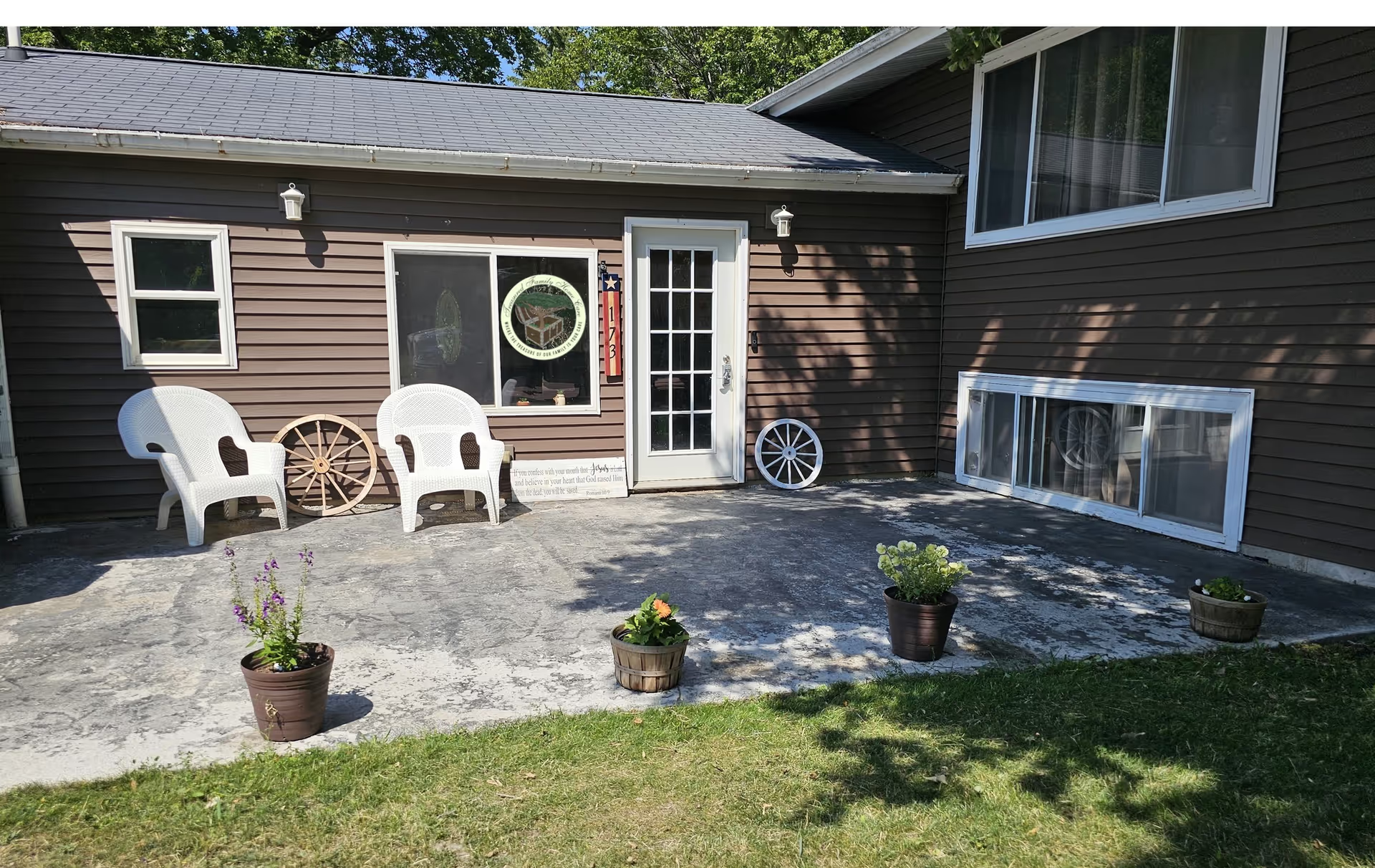
The supplied reviews present a mixed picture of Wild Rose Home Care. Positive comments focus on prompt responses and useful, detailed information from the agency at times, and a subset of caregivers who provided acceptable or competent care. However, several reviewers described a preponderance of negative experiences, creating an overall impression of variability in service quality.
Caregiver quality appears uneven. While a few aides were described as satisfactory, the dominant theme is inconsistency in caregiving skill and attentiveness. Concerns include perceived poor care during shifts, lack of attention to client preferences, and behavior that reviewers characterized as unprofessional in the caregiving role. These patterns suggest variability in hiring, training, or supervision practices that lead to unpredictable caregiver performance across clients.
Office communication and customer-service tone are another clear area of concern. Multiple reviewers flagged rude or unprofessional interactions with office staff and difficulty obtaining clear, consistent information. At the same time, some reviewers praised the agency’s ability to respond quickly and to provide detailed information when they did engage with staff. This contrast indicates uneven administrative practices: responsiveness can be a strength, but interpersonal communication and consistency of messaging are unreliable.
Reliability and scheduling show mixed signals. Prompt responses to inquiries are noted as a positive, yet coordination gaps and communication breakdowns appear to have affected the day-to-day reliability of care in some cases. The reviews imply inconsistent caregiver assignments and coordination issues that can disrupt continuity of care; explicit comments about scheduling flexibility and billing/value were limited in the dataset, making it difficult to draw firm conclusions in those areas.
Household-property handling and consent practices emerged as specific operational concerns. Reviewers mentioned incidents where items were handled or damaged without prior discussion, and instances where caregivers acted without asking. These details point toward weaknesses in protocols for handling client property and in enforcing standards for client consent and respect for personal boundaries.
For prospective clients and families, the notable pattern is variability: the agency is capable of prompt, informative engagement and can supply competent caregivers, but there are recurring issues with caregiver consistency, office professionalism, property-handling practices, and coordination. When evaluating this agency, ask for specifics about caregiver screening and training, written policies on household-property handling and client consent, examples of supervision and quality checks, and references from current clients to determine whether the agency’s strengths are consistently delivered in practice.