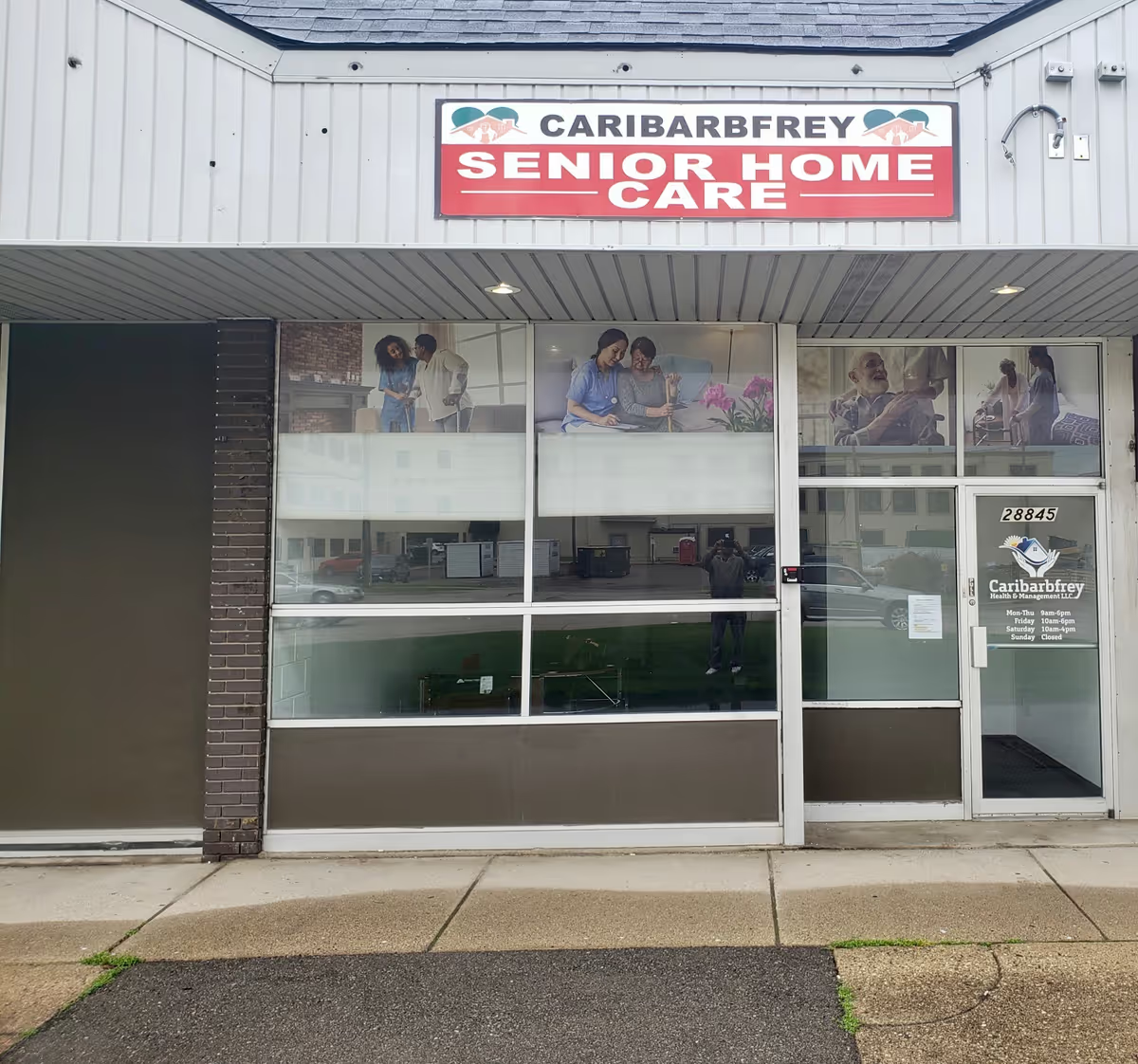
Reviews describe a mixed but clear pattern: the front-line clinical staff — individual caregivers, nurses and a few therapists — are frequently praised for being caring, personable and clinically competent. Multiple families called out specific staff members by name for strong performance, and several notes emphasize caregivers who establish good rapport, provide patient-focused attention, and at times go beyond basic duties to support families.
Conversely, a recurring operational concern is reliability of visits. Numerous accounts describe missed shifts, late or cancelled visits, and periods without scheduled help. That unreliability is reinforced by reports of inconsistent shift coverage overall and particular gaps around weekends and holidays. Several reviews described that weekend or after-hours coverage was limited or unavailable, which created stress for families during off-hours.
Office communication and administrative practices emerge as another significant theme. Reviewers describe inconsistent or poor communication from the office, missed calls, lost paperwork or payments, and billing-handling problems. While some families experienced responsive intervention from leadership that resolved issues, others encountered slow or unhelpful administrative responses. These administrative weaknesses appear to compound the operational reliability problems when schedule changes or billing questions arise.
There are also concerns about caregiver training and professional conduct at the agency level. Instances of inconsistent caregiver professionalism, missed medication-management tasks (for example, medication planners not being updated), and refusals to perform requested tasks were reported. Additionally, reviewers identified gaps in the agency's vaccination policy and described dismissive responses to clients' COVID-related concerns, which may be important for families with infection-control priorities.
In terms of value and management, impressions vary: some families characterize the agency as exceptional and superior to alternatives, citing helpful managers and a director who intervened constructively. Others described negative interactions with office staff that affected their overall experience. The most consistent takeaway is that outcomes appear highly dependent on the specific caregiver and the responsiveness of office leadership: strong clinical staff and proactive management produce very positive experiences, whereas administrative lapses and scheduling unreliability create notable care disruptions.
For prospective clients: weigh the agency's clear clinical strengths (compassionate caregivers, capable nurses and therapists, willingness of some staff to provide individualized attention) against documented operational risks (shift reliability, weekend/holiday coverage, office communication, billing processes, and vaccination-policy clarity). Asking targeted questions about contingency plans for missed shifts, weekend coverage, medication-management protocols, billing procedures, and vaccination requirements will help families reduce the risk of encountering the weaknesses reflected in these reviews.