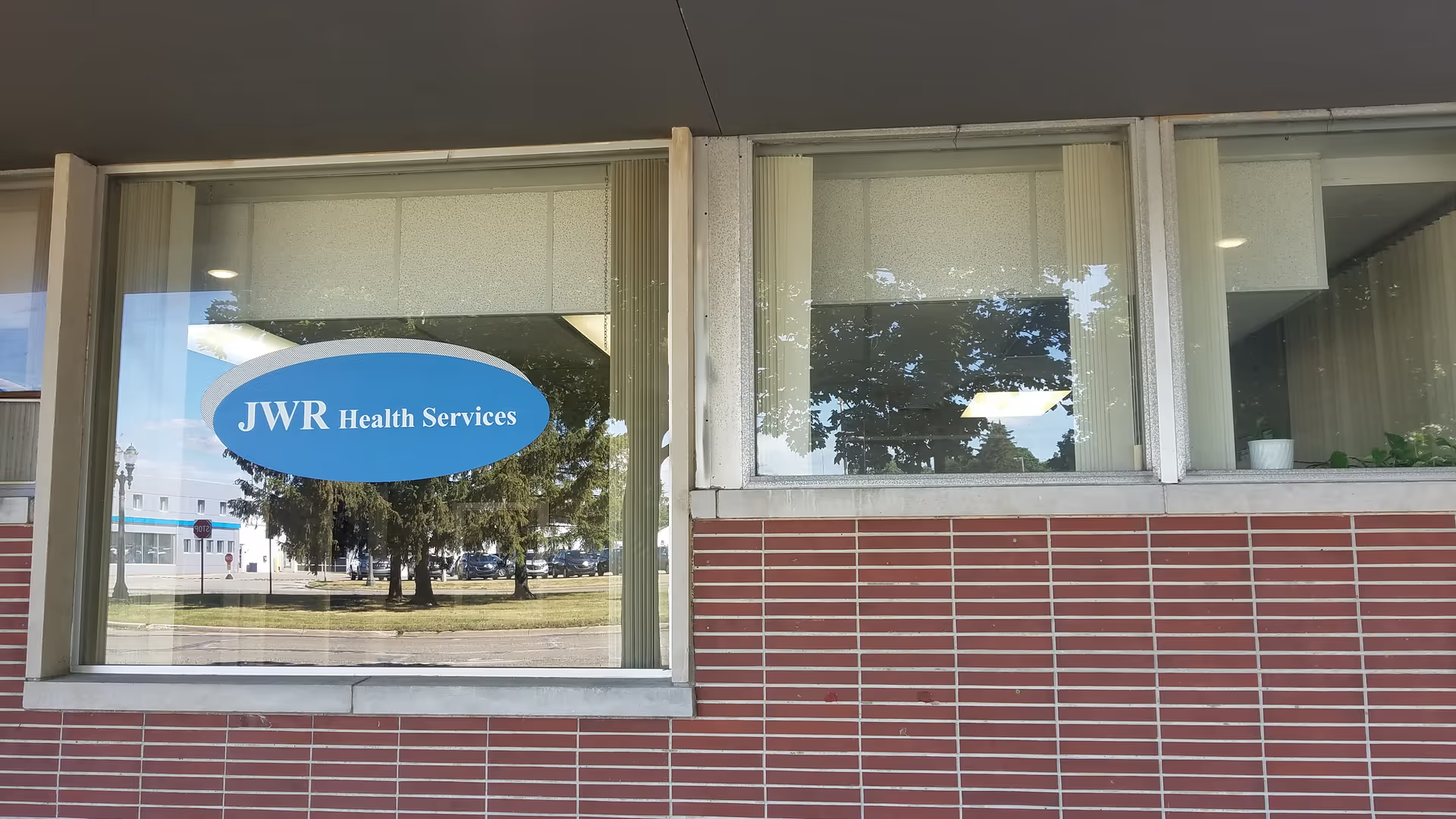
Reviews for Home Care | University of Michigan Health-Sparrow show a mixed pattern of strengths and operational weaknesses. Caregiver-level feedback is generally positive: several reviewers praised individual aides as highly competent, professional, punctual, and thorough, and some noted effective follow-up and timely after-hours responses. These comments indicate that field staff can deliver high-quality, dependable hands-on care when present.
At the agency/office level, recurring themes point to communication and management gaps. Reviewers described poor communication from the office, difficulty getting routine appointments scheduled without initiating contact themselves, and instances of rude or unprofessional interactions with case-management staff. One review included an allegation of a false accusation by a case manager; while isolated in the dataset, it is a serious concern that families highlighted alongside broader communication problems.
Reliability and scheduling are the most consistent operational concerns. Comments reference last-minute cancellations, late arrivals or delays accompanied by excuses, and a general sense of unreliable shift coverage. These scheduling failures appear to undermine confidence even where caregivers themselves are viewed positively, producing frustration and negative overall impressions of the service.
Perceived value is therefore uneven. Positive impressions derive from capable, caring aides and occasional strong responsiveness after hours. Negative impressions stem from office-level issues that affect day-to-day reliability and perceived professionalism. The overall pattern suggests an organization with capable caregivers whose impact can be diminished by inconsistent administrative practices. Prospective clients and families may want to ask specific questions about scheduling protocols, cancellation policies, and how the agency handles complaints or conduct issues when evaluating care arrangements.