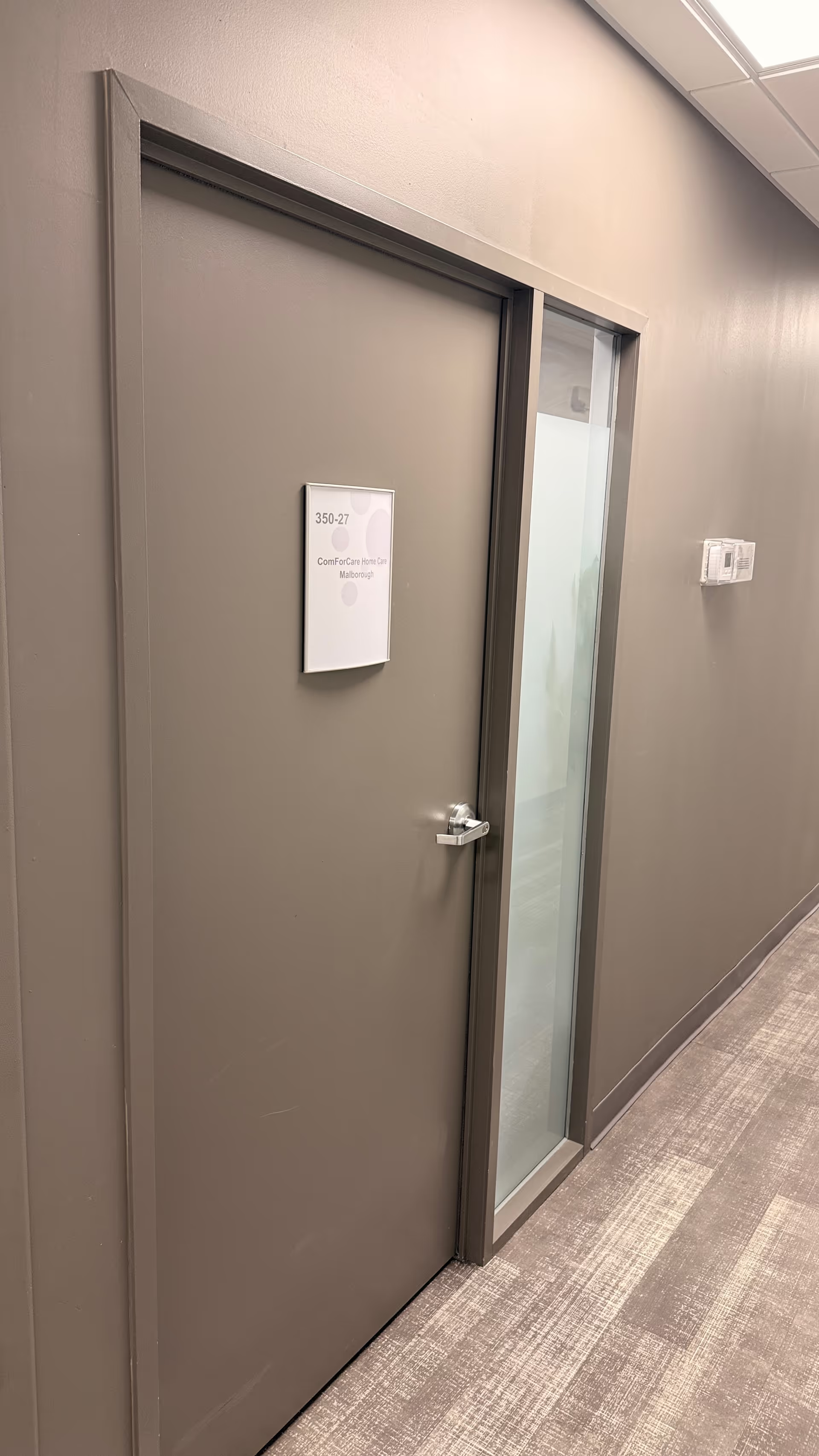
The reviews describe a mixed experience in which certain external partners and initial interactions are seen positively, but ongoing operational issues at the agency generate consistent dissatisfaction. Families noted helpful intake visits, assistance with funding paperwork, and a generally pleasant facility environment in at least some interactions or partner programs. At the same time, a pattern of administrative and coordination weaknesses appears across the feedback.
Caregiver quality is described unevenly. Some community partners and individual caregivers were characterized as caring and proactive; however, reviewers also raised concerns about mismatched assignments, insufficient supervision, and specific incidents that prompted worries about caregiver conduct. There are isolated allegations of caregiver misconduct that families felt were not adequately addressed by the agency. Overall, the available comments suggest variable caregiver performance and a need for stronger oversight and matching processes.
Office communication and reliability emerge as the most frequent operational concerns. Multiple accounts describe difficulty reaching staff, missed or unanswered calls and voicemails, delayed or absent responses, and extended waits for appointments and services. In several cases families reported long delays in assigning or retaining a case manager; one commenter described a year-long lapse that affected insurance coordination. These patterns point to systemic responsiveness and case-management continuity problems rather than only one-off lapses.
Scheduling and staffing reliability also drew criticism. Reviewers described understaffing, shift coverage gaps, and last-minute mismatches between aides and clients. These issues reportedly left some clients without expected assistance and forced families to find alternatives. The agency’s role as an intermediary in assigning vendors or aides was noted, with several families expressing frustration at inconsistent coverage and limited scheduling flexibility.
Billing and administrative back-office performance were additional areas of concern. Reviewers mentioned delayed payroll and billing processing that affected caregiver payment and client billing timelines, and delays in completing necessary paperwork. Families also noted limited support navigating related matters such as housing or insurance assistance, and in one account a documentation gap contributed to an insurance lapse.
Taken together, the pattern in these summaries suggests that prospective clients and families should verify specific operational safeguards before enrolling: confirm a designated, active case manager; ask about contingency staffing and caregiver-supervision practices; clarify expected response times for calls and escalations; and obtain written timelines for billing and payroll processes. The agency may be a good fit when initial intake and partner services meet a client's needs, but families seeking consistent responsiveness, reliable scheduling, and robust care oversight may want to validate those capabilities directly or consider alternative providers.