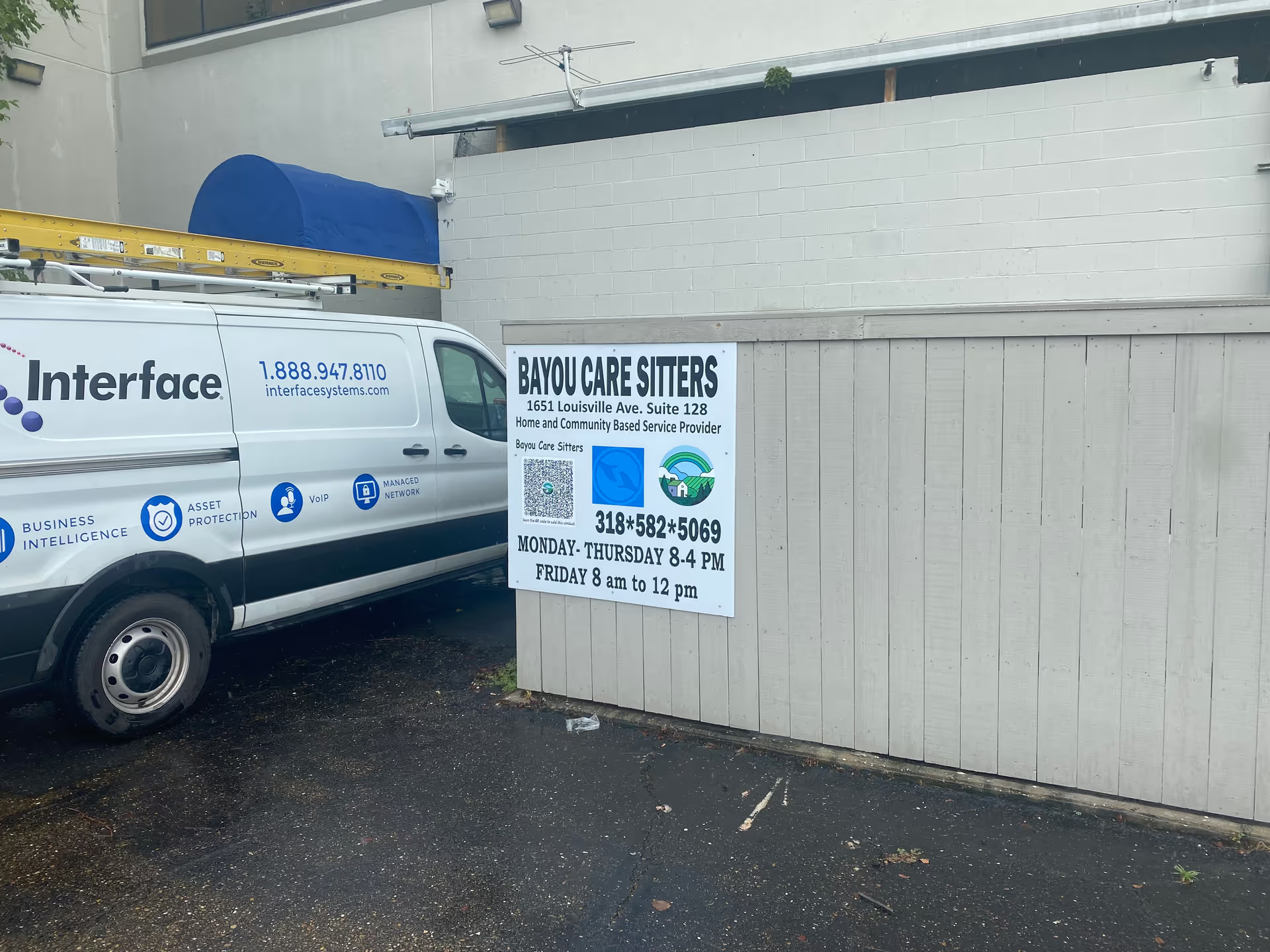
The collected reviews present a mixed but coherent portrait of the agency. On the positive side, many families and staff describe caregivers as compassionate, client-focused, and personable; reviewers emphasize a warm, family-like culture and long-tenured staff that supports continuity of care. Management is frequently characterized as supportive and accessible, with an open-door policy, responsiveness to concerns, and formal recognition or growth opportunities for employees. Several accounts highlight a calm, straightforward intake and scheduling process and credit the founder-owner’s personal involvement for strong early relationships and a sense of individualized attention. For many clients the service has enabled aging in place and relieved family caregiver burdens.
At the same time, a recurring set of operational issues appears in the reviews. Billing transparency concerns are prominent: families cited unexpected charges and unclear time-entry practices that undermine trust. Related to this are reports suggesting inconsistencies between promised visit frequency and actual visits recorded or delivered, which points to weaknesses in visit documentation and scheduling follow-through. Office-to-client communication is uneven — while some reviewers praise rapid resolution of problems, others describe poor advance notice, misleading visit expectations, or difficulty obtaining clear billing explanations.
Caregiver quality is a clear strength for many clients but also a source of concern for others. Positive comments stress compassion, reliability, and a helpful attitude; negative accounts focus on attentiveness and professionalism gaps (distractions during shifts, personal phone use, smoking by caregivers in proximity to clients) and indicate inconsistent supervision. These observations together suggest variable onboarding or oversight practices: when supervision is active the service appears to perform well, but lapses in oversight correlate with conduct and reliability problems.
Taken together, the pattern suggests an agency with strong culture and many satisfied families, yet with operational gaps that can affect consistency and trust. The most consequential themes are billing transparency, consistent execution of scheduled visits, caregiver oversight, and an organizational reliance on leadership-level relationships that raises questions about longer-term continuity. Prospective clients and referral partners may find the agency attractive for its compassionate staff and responsive management, but they should confirm written visit schedules, billing policies, caregiver supervision practices, and contingency plans for staffing and leadership changes.