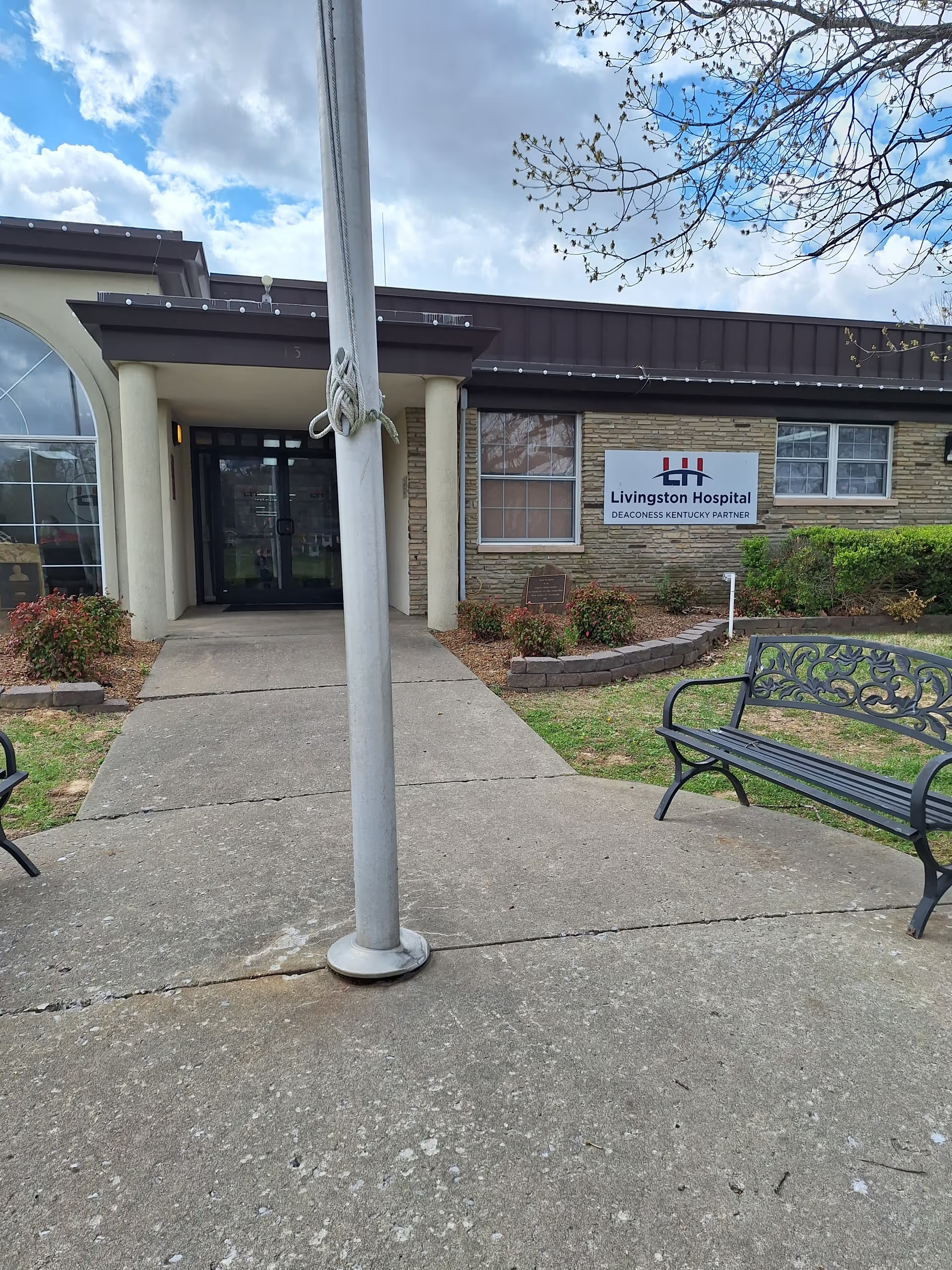
Crittenden Community Hospital is consistently described as a small, community-oriented provider with a strong emphasis on compassionate, personalized care. Many families and patients praised nursing staff for warmth, attentiveness, and professionalism; several reviews singled out individual caregivers and clinicians as providing excellent, calming support. The hospital’s atmosphere and local accessibility are frequent positives, and specialty offerings such as the cardiac rehabilitation program are viewed as valuable resources for the community.
Clinical quality impressions are generally favorable around routine nursing care and acute attention: reviewers noted competent staff, minimal procedural discomfort in some cases, and appropriate observation following incidents. At the same time, a subset of reviews described lapses in clinical assessment or procedural reliability (for example, issues with vascular access or follow-up after a concerning presentation). These accounts suggest occasional inconsistency in execution of invasive or specialty procedures and uneven clinical decision-making rather than a uniform pattern of substandard care.
Communication and operational coordination are recurring themes. Multiple comments point to unclear explanations, mispronunciations, and poor handoffs between departments, which contributed to confusion for patients and families. Waiting-room crowding, long waits for physician visits, and slow discharge processes were reported in a number of instances, indicating room for improvement in appointment-flow and throughput management. Professional conduct was overwhelmingly praised in many cases, but some reviews reported instances of unprofessional language or behavior and privacy concerns, signaling variability in staff conduct and bedside communication standards.
Financial and administrative practices represent a prominent area of concern. Several reviewers described billing errors, multiple and confusing statements, misapplied payments, and escalation to collections, creating significant stress for families. These issues point to weaknesses in billing accuracy, transparency, and patient-facing financial processes. While many callers felt they received high-quality, caring clinical service (supporting a favorable value perception), administrative billing problems materially affected overall satisfaction for some families.
Overall, prospective clients should weigh the hospital’s clear strengths in compassionate, community-centered clinical care and valued programs like cardiac rehab against operational weaknesses in billing, coordination, and certain procedural areas. Asking targeted questions about billing practices, procedural protocols, expected wait times, and staff assignments — and requesting contact names for financial or discharge coordination — may help mitigate the operational risks noted in reviews. Management attention to standardizing inter-staff communication, improving procedural consistency, and strengthening billing transparency would address the most commonly cited patterns of concern.