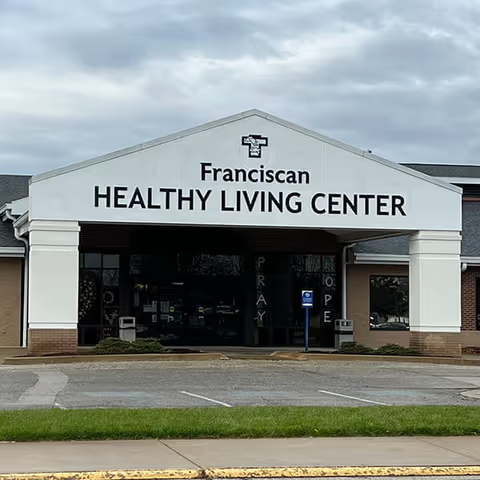
Review content presents a mixed picture of care quality. A portion of feedback praised the agency as providing compassionate hospice care and a supportive team presence, indicating that some families experienced attentive end-of-life support. However, a substantial body of commentary raises concerns about caregiver behavior and interpersonal skills: reviewers described a pattern of limited empathy, disrespectful interactions with family members, and conduct that was perceived as unprofessional. Those concerns suggest unevenness in caregiver training or selection related to bedside manner and family communication.
Clinical competence and clinical leadership are recurring themes. Several reviewers expressed doubts about nursing knowledge and clinical decision-making; in at least one instance, guidance given during a crisis was characterized as inappropriate or insufficiently clear. These observations point to potential gaps in clinical oversight, training, or escalation protocols. Where clinical guidance is critical (for example, in hospice or crisis situations), families expect clear, evidence-based direction and a reliable chain of clinical responsibility; the reviews imply that the agency may not consistently meet that expectation.
Office communication, transparency, and management responsiveness are additional areas of concern. Reviewers cited unprofessional behavior by office staff and a lack of clear service details, which undermined confidence in the agency’s reliability. One review explicitly criticized director-level interactions. Together these comments indicate weaknesses in front-office professionalism, documentation provided to families, and how leadership handles complaints or difficult conversations.
Reliability of shifts and scheduling flexibility were not extensively documented in the summaries provided; there is limited direct information about no-shows, missed shifts, or scheduling responsiveness. That said, caregiver-quality issues and management/communication shortcomings described by reviewers could indirectly affect perceived reliability and continuity of care. Prospective clients should ask the agency for written schedules, contingency staffing plans, and references to assess consistency.
Billing and overall value were not described in detail in the summaries. Because cost and scope were not clearly outlined by reviewers, families should request an explicit service agreement, itemized cost estimates, and written descriptions of included services before enrolling. Clear documentation can also help address the credibility and service-detail concerns noted above.
In summary, the pattern across the reviews suggests a divide: some clients experienced compassionate hospice support, while others encountered significant problems with caregiver empathy, clinical guidance, and office professionalism. Prospective clients should conduct targeted due diligence—ask for care plans, staff training and supervision procedures, examples of crisis protocols, and references from current or recent families—so they can assess whether the agency’s strengths align with their priorities and whether the identified operational weaknesses have been addressed.