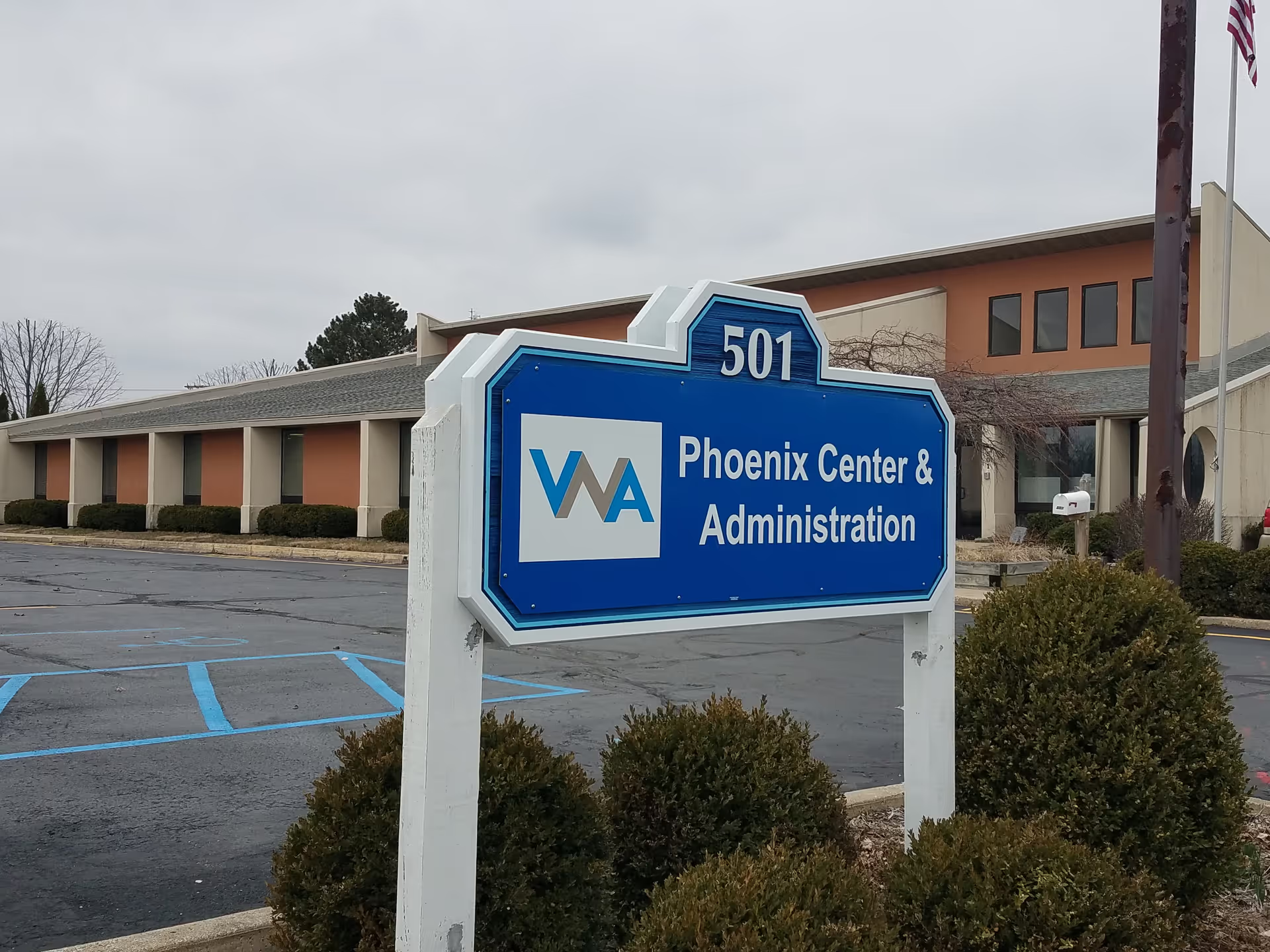
Reviewers describe a mix of strong individual caregiver experiences and recurring operational concerns. Many families praise the agency's frontline staff for warmth, compassion, and individualized attention: caregivers are frequently called personable, joyful, and treated clients like family. Several named caregivers prompted particularly positive remarks for dependable, pleasant visits and for help with companionship, personal tasks and errands such as grocery shopping. The office team also receives positive mention for being helpful, quick to assess needs, and for putting families at ease during intake and routine questions.
At the same time, the feedback identifies persistent operational weaknesses that can affect care continuity. Transportation and appointment coverage emerged as a common problem, including missed or failed pick-ups. Office communication and accountability are uneven: some families report clear, responsive interactions, while others encountered confusing or delayed communication around scheduling and service details. High staff turnover and inconsistent caregiver continuity amplify these issues for families who need predictable assignments. A number of comments describe caregivers arriving without adequate briefing or preparation for complex or bed-bound clients, which points to gaps in handoff and training processes. One serious client-level incident involving household property was raised; that claim is described as an allegation and appears to have prompted personnel action in that case.
Value and scheduling flexibility are mixed in reviewers' assessments. Several families found the agency's rates reasonable and appreciated the prompt assessments and helpful office guidance; those who experienced consistent caregiver assignments viewed the service as dependable and high-value. Conversely, when scheduling, transportation, or briefing problems occurred, families judged overall value more critically. Prospective clients should consider asking specific questions at intake and contract stage: confirm transportation and pick-up procedures, clarify wheelchair or accessibility accommodations, request documentation of caregiver background and continuity plans, and establish a clear care plan and briefing process for complex needs. Doing so can help reinforce the positive caregiver experiences many families describe while mitigating the operational risks that others have encountered.