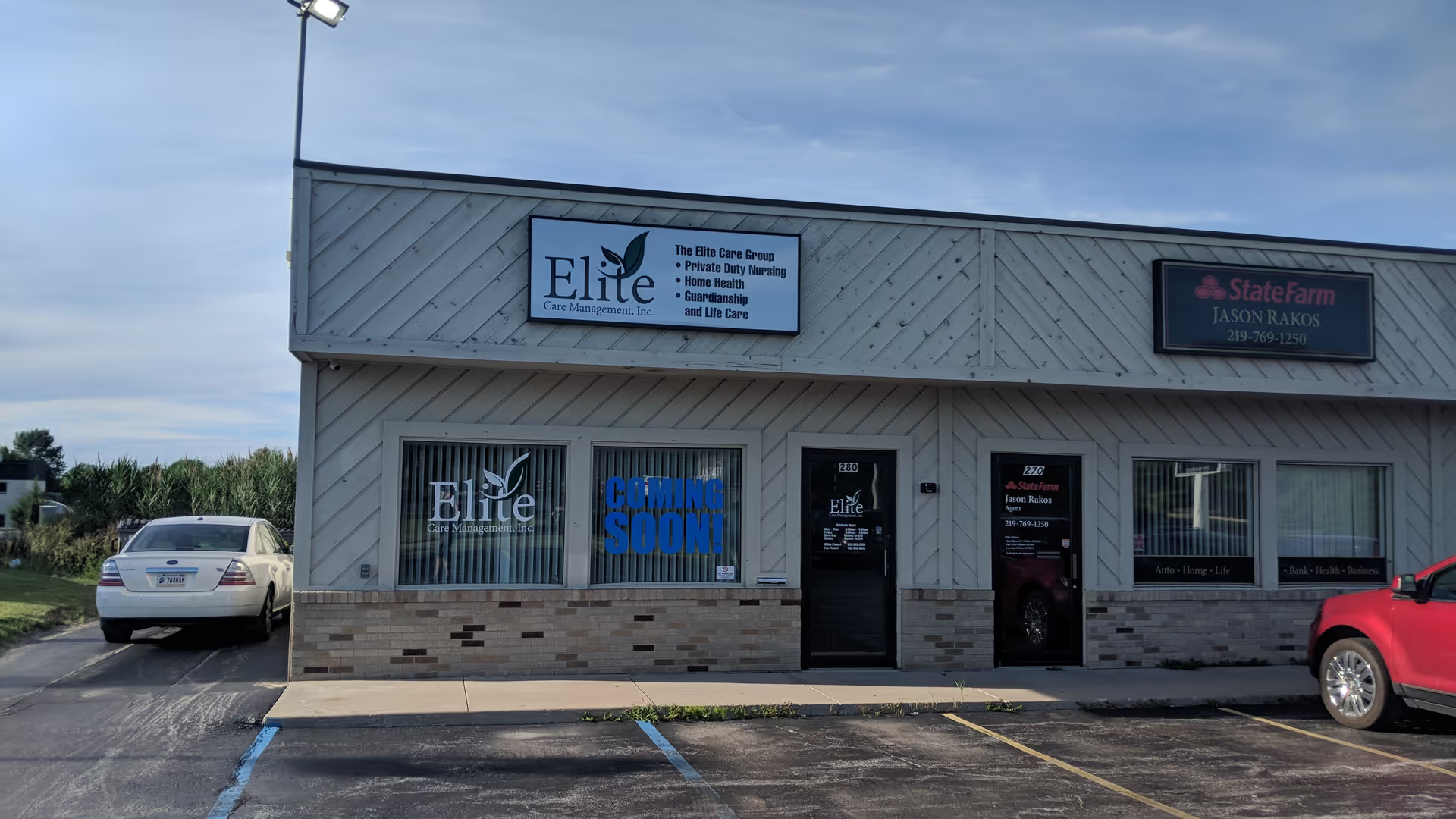
Overall impression: Reviews present a predominantly positive picture of caregiving quality paired with recurring operational concerns. Families frequently describe caregivers as warm, attentive, and willing to go beyond assigned tasks; specific strengths noted include companionship, meal preparation, light housekeeping, transportation assistance, and support for dementia-related needs. Several accounts highlight strong caregiver-client rapport, dependable personal-care assistance, and effective respite support, and multiple reviewers praised an accessible, responsive owner and supervisory team that provides oversight and advocacy.
Caregiver quality: The dominant theme among positive comments is consistent praise for individual caregivers — described as compassionate, cheerful, and hardworking. Reviewers singled out caregivers who attend appointments, help with medications, excel at cooking, and provide meaningful companionship. There are also multiple mentions of professional training and effective team leadership, suggesting that when staffing is stable the agency delivers well-coordinated, family-focused care.
Office communication and management: Many families praised prompt, clear communication and an involved owner who facilitates intake and client advocacy. At the same time, a number of reviews describe communication gaps: unreturned calls, delays in follow-up, and occasional supervisory lapses. This contrast suggests that office responsiveness is generally a strength but not uniformly reliable across all cases.
Reliability and scheduling: Scheduling and shift reliability is a mixed area. Several reviewers report dependable, on-time caregivers and flexible scheduling, including same-day intake and strong respite coverage. Conversely, other families experienced inconsistent caregiver assignments, uncovered shifts, and last-minute changes. High aide turnover is reflected in descriptions of changing caregivers and uneven continuity of care; these operational weaknesses have an impact on families who rely on predictable staffing.
Medication and conduct concerns: Most feedback about medication assistance is positive, but a few reviewers described changes in how medications were handled after caregiver transitions or insurance-related adjustments. There are also isolated comments about unprofessional caregiver conduct. These raise concerns about consistency in medication-management processes and professional behavior standards, rather than indicating a pervasive pattern across all assignments.
Value, billing, and insurance: Direct commentary on cost/value is limited; one reviewer characterized services as affordable. Several families did note insurance-related limitations that led to changes or discontinuation of services. Those items point to potential friction at the intersection of agency practices and payer rules, rather than a uniform pricing issue.
Notable patterns and risk signals: The overall pattern is of a caregiving team that delivers compassionate, client-centered work when staffing and supervision are sustained. The primary operational risks to monitor are inconsistent caregiver continuity, scheduling/coverage gaps, and episodic office communication shortfalls. Additionally, there are a small number of serious individual claims — summarized here as allegations of household-property incidents — which should prompt prospective clients and families to ask the agency about screening, supervision, and incident-handling protocols during the decision process.
Bottom line: For families prioritizing warm, relationship-driven in-home support, the agency demonstrates clear strengths in caregiver compassion, flexibility, and managerial engagement. Prospective clients should confirm current staffing stability, clarify medication-management procedures, and discuss contingency plans for missed shifts and insurance transitions before committing to services.