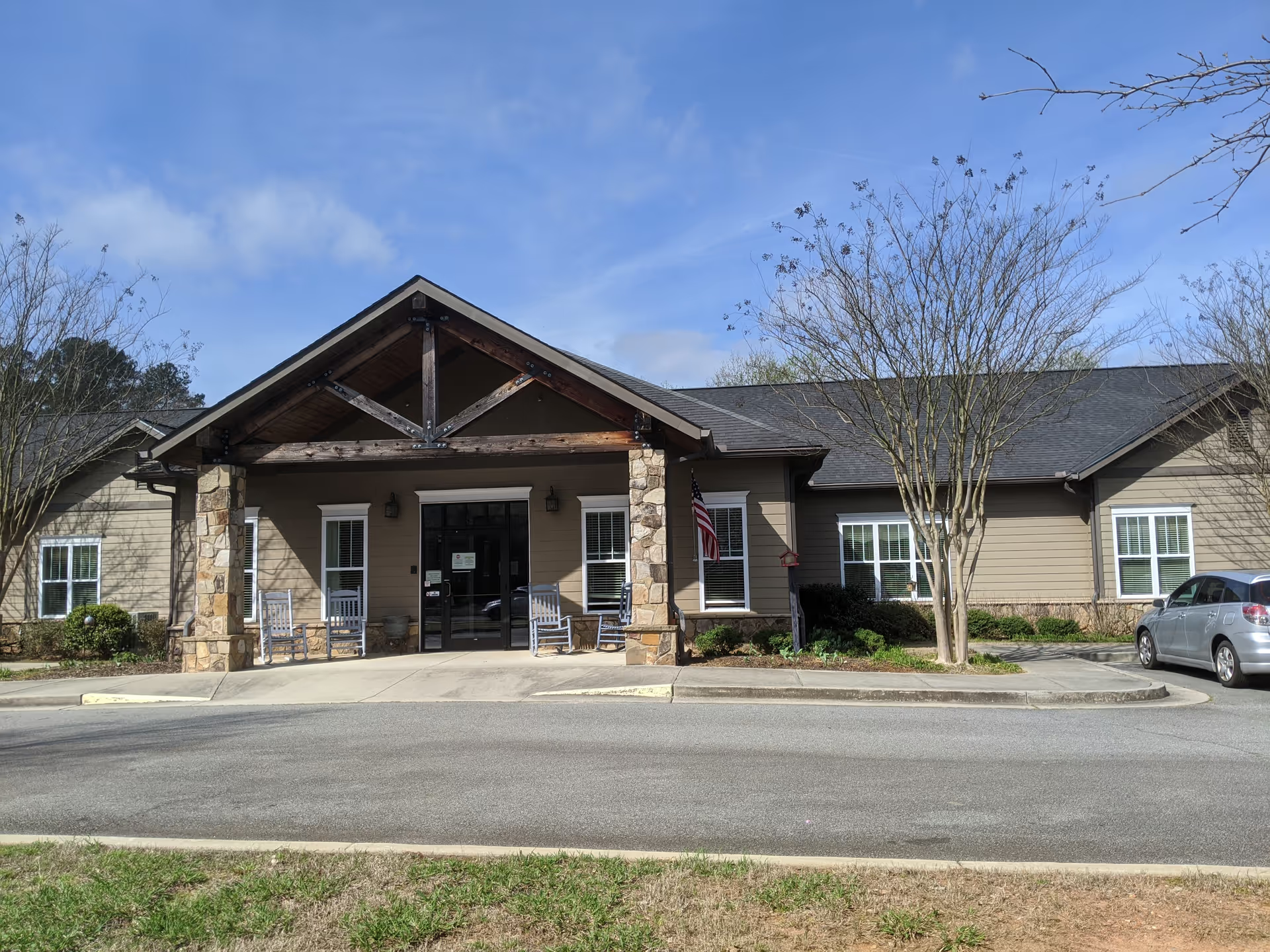
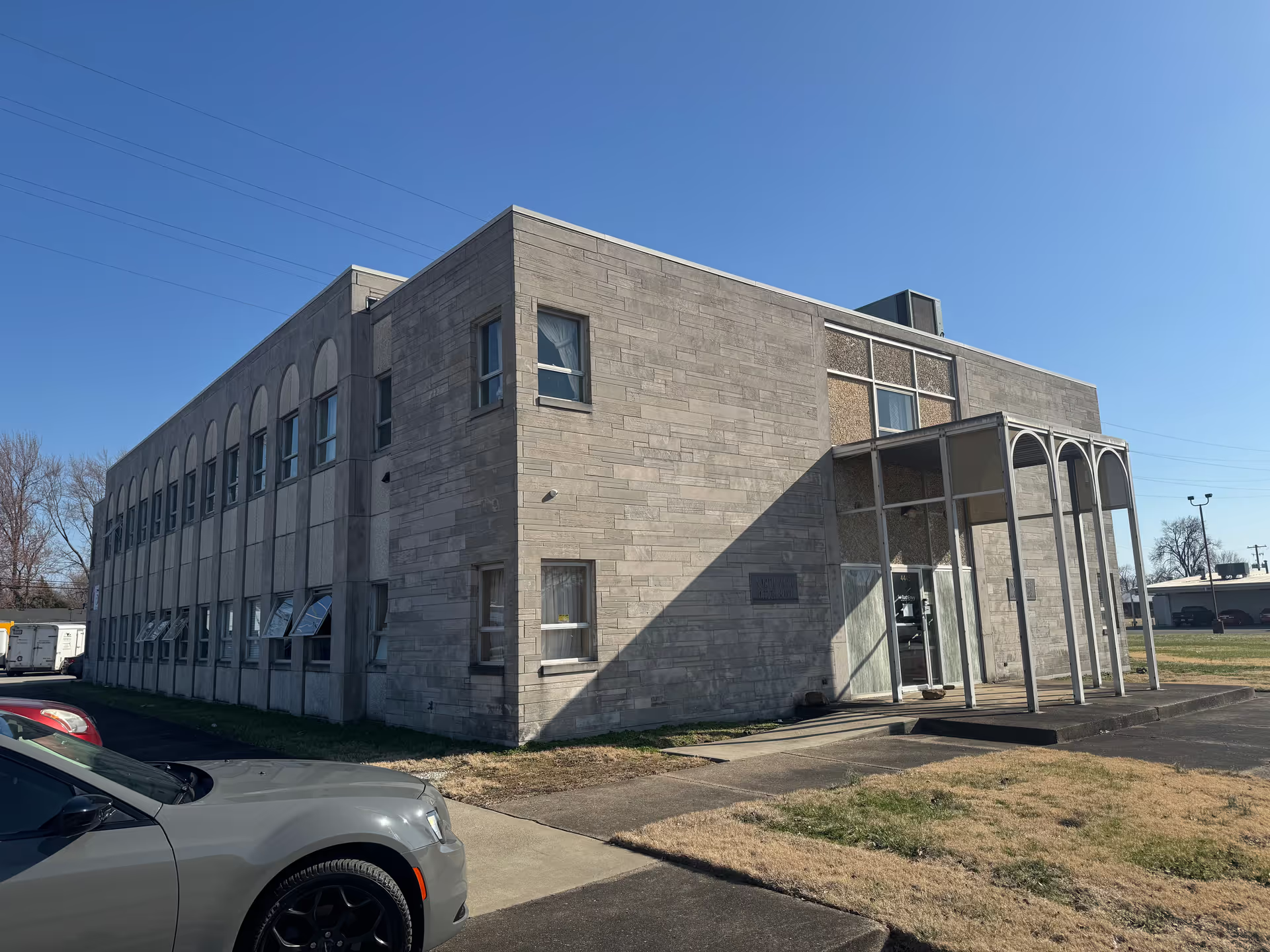
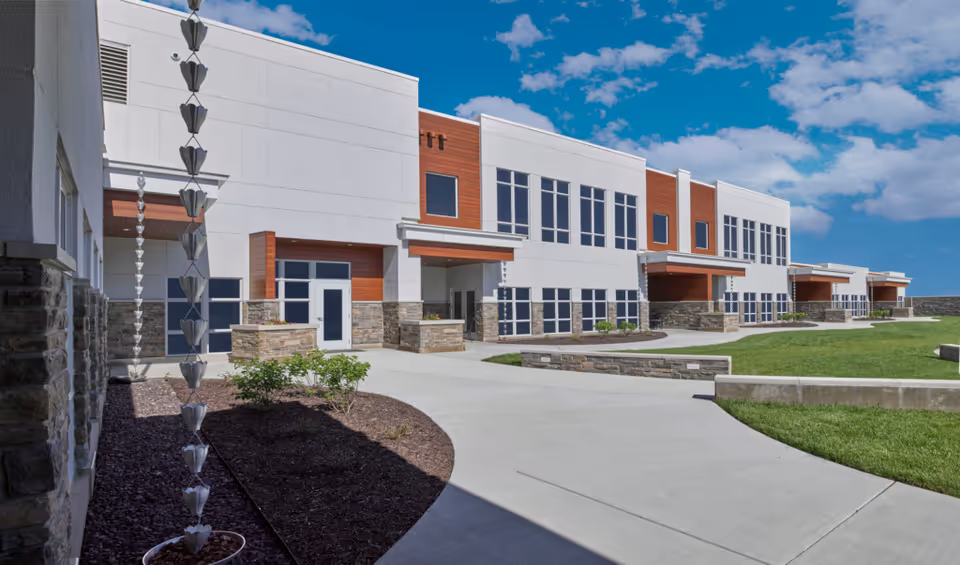
Across the provided review summaries, caregiver quality is presented as a clear strength. Staff are repeatedly described as compassionate, warm, and family-oriented; families used language indicating respectful, attentive interactions and expressed gratitude. Routine caregiving and daily interpersonal support (including meal service and front-desk interactions) are consistently noted as positive, and the physical environment (clean facility, comfortable rooms, pleasant community areas) supports a perception of a well-maintained setting.
At the same time, the summaries point to operational areas that would benefit from improvement. Several comments note a need for better coordination and occasional inattentiveness by caregivers; taken together these suggest variability in day-to-day execution and internal communication. One account describing a wait for ambulance response indicates that emergency escalation procedures and staff preparedness for urgent medical events merit review and clearer protocols. Relatedly, families would likely benefit from more transparent, regular care-plan updates so expectations and actions are better documented and communicated.
Reliability and scheduling appear mixed but not uniformly problematic. Weekend staffing is explicitly called out as ample, which suggests reasonable coverage at those times, yet the coordination concerns imply that shift handoffs, assignment consistency, or real-time responsiveness can vary. There is no specific commentary about billing or long-term value in the summaries provided; reviewers' expressions of gratitude and praise for staff imply perceived value in the caregiving itself, but the dataset does not allow firm conclusions about pricing, billing clarity, or contractual practices.
In terms of management and oversight, the pattern suggests strong personnel in caregiving roles alongside opportunities for stronger administrative systems: clearer communication pathways, reinforced emergency escalation training, and more consistent documentation or family updates. Prospective clients and families should weigh the agency's evident strengths in compassionate, home-like care and facility upkeep against the potential for variability in coordination and emergency responsiveness. Asking targeted questions about caregiver assignment consistency, handoff procedures, and emergency protocols during intake could help set expectations and confirm operational alignment with the family's needs.