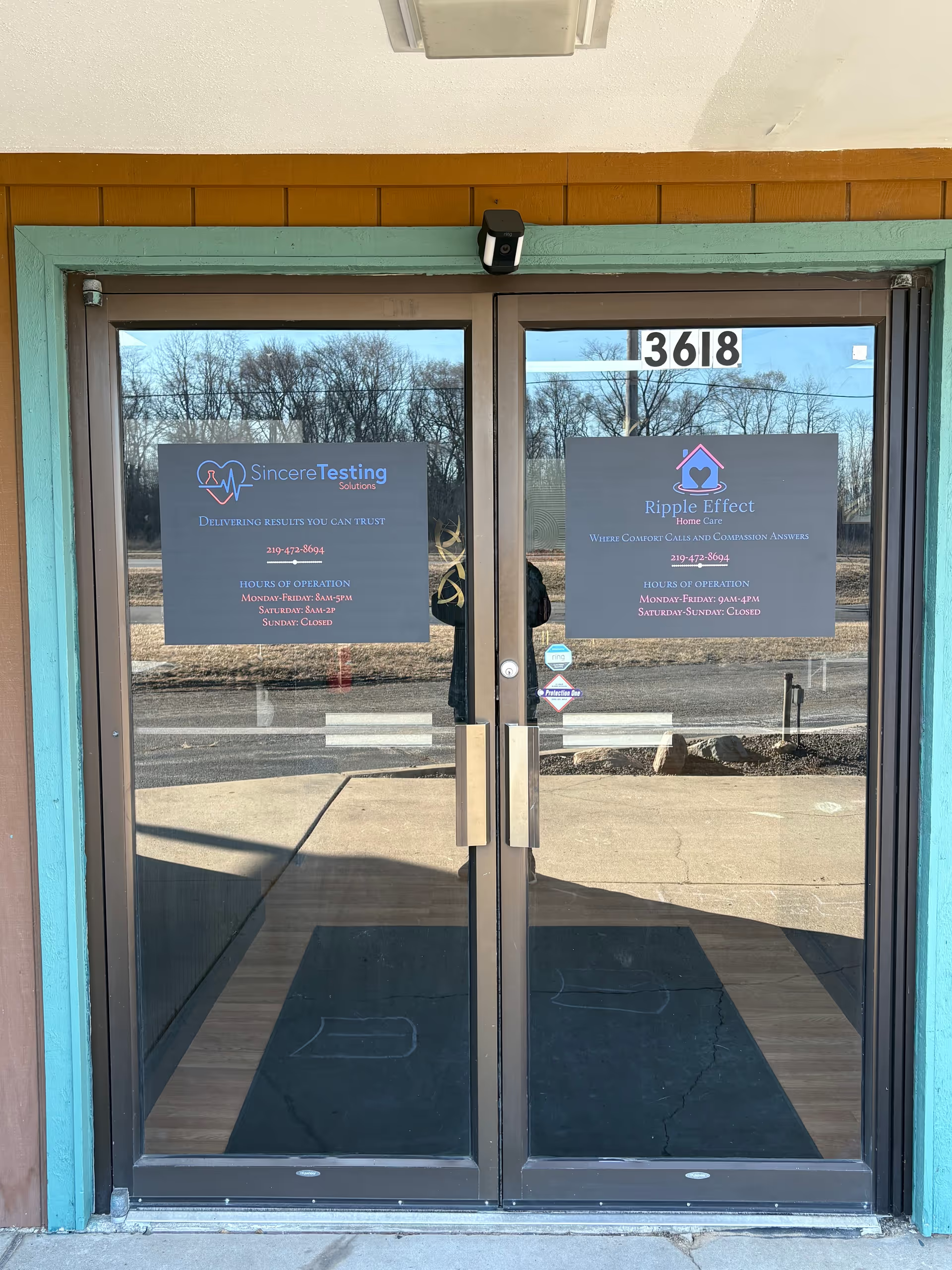
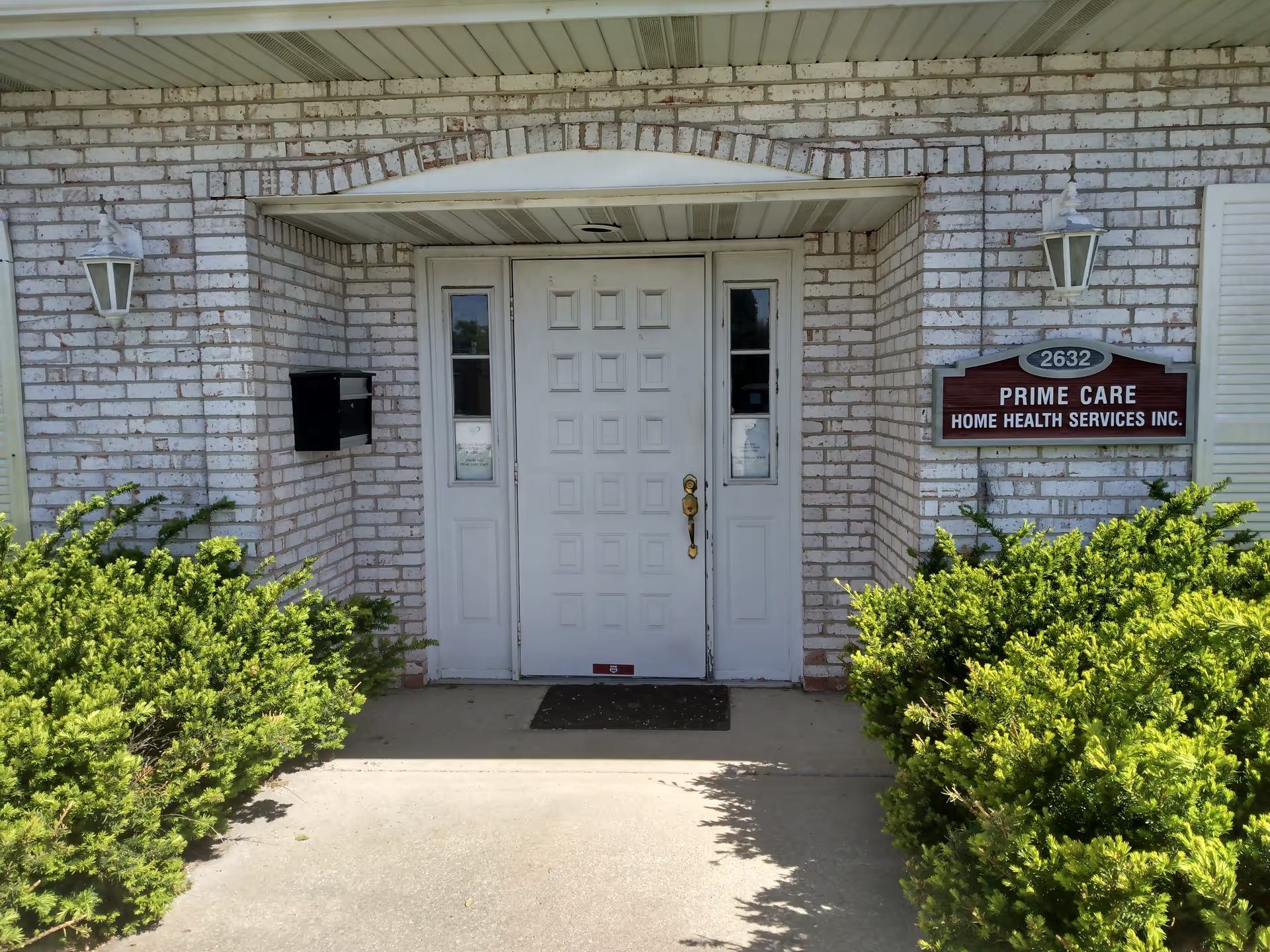
Overall impression: Reviews present a mixed but informative picture. Many family members and clients describe caregivers as polite, respectful, and compassionate, and praise the agency for professional, reliable service and a supportive office culture. These positive comments suggest that the agency can deliver warm, client-centered hands-on care and that its staff retention or workplace environment is viewed favorably by employees and clients alike.
Caregiver quality: Multiple reviewers characterize caregivers as respectful, friendly, and caring, indicating strength in day-to-day interpersonal care and client rapport. The agency’s reputation and mention of long-standing relationships point to consistent strengths in caregiver training or selection in many cases. At the same time, some reviews raise operational concerns about caregiver reliability and follow-through; prospective clients should evaluate assignment consistency and contingency plans for replacement aides.
Office communication and management: There is a contrast between accounts that highlight prompt issue resolution and others that describe poor communication and unmet promises. This pattern indicates unevenness in office coordination — while individual problems may be addressed quickly at times, systemic communication and case management processes appear inconsistent. Families should clarify preferred communication channels, escalation paths, and expectations for follow-up when arranging services.
Reliability, scheduling, and clinical support: Several reviews note reliable service and friendly scheduling experiences, but there are also reports of scheduling gaps and unavailable clinical staff when higher-level care was expected. Specifically, limitations in nurse availability or clinical backup were cited; this suggests the agency may be stronger for routine in-home assistance than for cases requiring frequent nurse involvement. Ask about nurse staffing levels, shift-coverage guarantees, and how clinical needs are triaged.
Value and billing: Direct information about billing and value is limited in the summaries provided. Positive remarks about professionalism and responsiveness imply perceived value for many clients, but the operational inconsistencies noted above (scheduling, communication, clinical coverage) could affect perceived value in higher-acuity situations. Clarify rates, cancellation policies, and billing procedures before engagement.
Notable patterns and precautions: The major positive themes are caregiver warmth, professionalism, and a generally positive work environment. The primary areas of concern are agency-level: inconsistent reliability, uneven office communication, gaps in clinical/nursing availability, and scheduling or promise-keeping shortcomings. One review includes a serious allegation related to caregiver conduct involving substance use; while this appears isolated in the dataset, it should prompt families to ask about background checks, substance-use policies, incident reporting, and complaint-resolution procedures. Prospective clients should balance reported caregiver strengths against these operational weaknesses and verify policies that matter most to their situation (care continuity, clinical backup, and formal complaint/escalation processes).