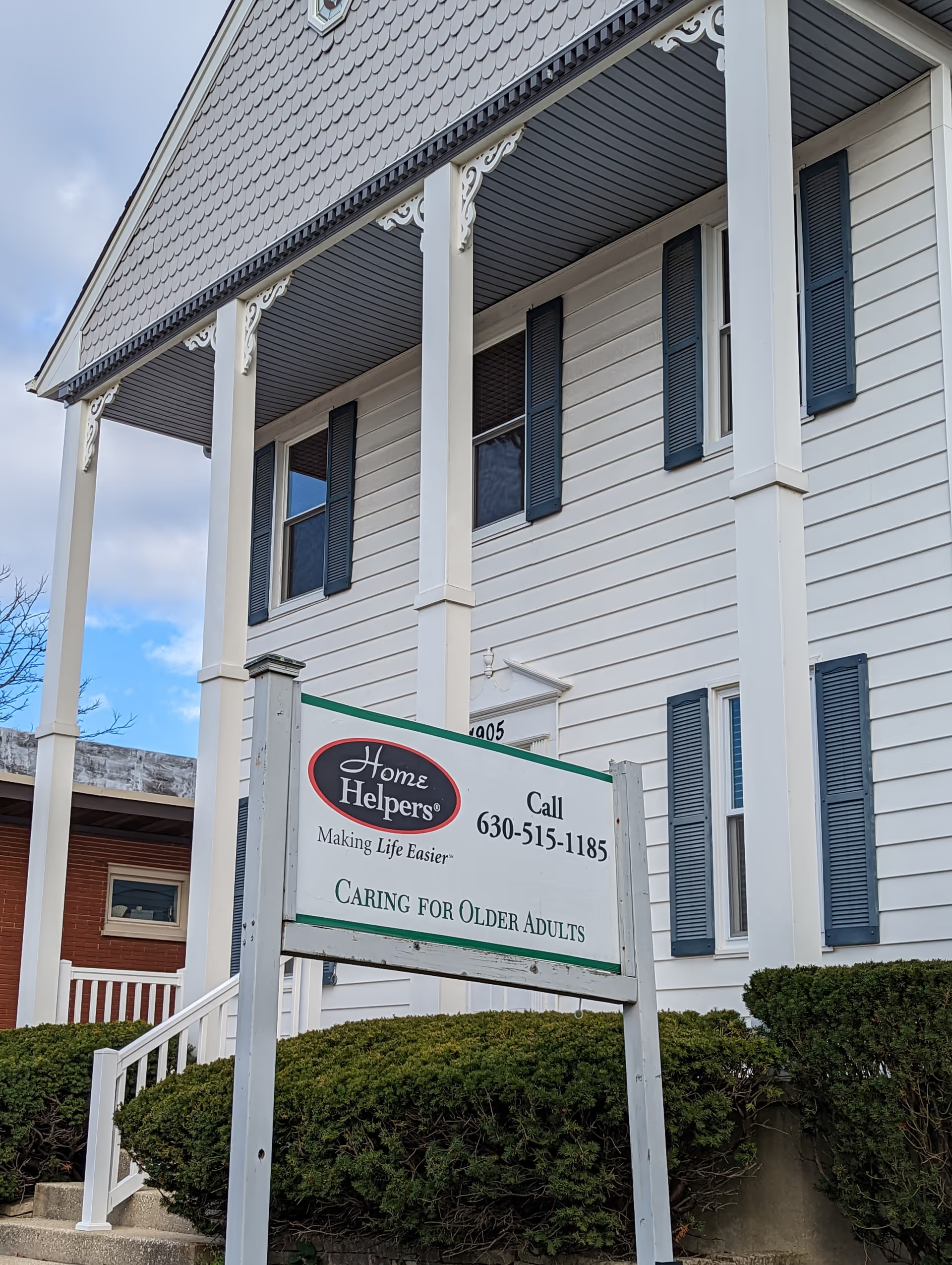
Overall impression: Reviews convey a mix of strong, person-centered caregiving and operational inconsistencies. Many families describe caregivers who are compassionate, attentive, and able to build trusting relationships with clients; those caregivers are frequently characterized as hardworking, intuitive, and respectful. The agency's clinical orientation — owners with physical-therapy experience and staff who provide rehab-informed guidance — is highlighted as a practical strength for post-rehab planning and hands-on care needs. Several comments also point to bilingual caregiver support and a generally courteous office presence when contact is made.
Caregiver quality: Caregivers are the most consistently praised element. Families describe aides who go above and beyond, provide dependable personal support, and form strong emotional connections with clients. Names are given in positive contexts, which suggests individual caregivers stand out for reliability, compassion, and the ability to follow care plans. The rehab-informed leadership appears to contribute to thoughtful, clinically aware care in some cases.
Office communication and administrative reliability: Patterns here are mixed. Some reviewers note a helpful, respectful office team and quick start times; others describe challenges with return calls, inconsistent follow-through, and difficulty getting timely responses. These communication gaps appear to affect scheduling, coordination, and families' perceptions of overall service reliability. Prospective clients should confirm preferred contact methods and expected response times before enrollment.
Scheduling, reliability, and staffing: Several reviews identify unreliable shift coverage, missed shifts, and limited staffing availability during peak needs. While prompt placements are reported in some instances, other families experienced gaps that required follow-up with the office. After-hours support is described positively by some reviewers, suggesting that out-of-hours assistance exists, but contingency staffing and consistent on-time coverage appear to be areas needing improvement.
Value and management: Price and value are viewed positively by some reviewers, but inconsistent customer-service responsiveness and operational follow-through undermine perceived value for others. Management's clinical background is a noted asset for rehabilitation transitions and clinical planning; however, the agency would benefit from more consistent administrative processes to match the generally high marks given to front-line caregivers.
Notable patterns and considerations for families: The dominant positive themes are caregiver compassion, trustworthiness, and rehab-informed support. The primary operational concerns are inconsistent office responsiveness, scheduling communication, and occasional missed shifts. Families considering this agency would be advised to ask specific questions about backup staffing plans, confirm communication protocols (including after-hours contacts and expected callback windows), clarify billing and onboarding steps, and request introductions to primary caregivers to assess fit and language needs prior to starting services.