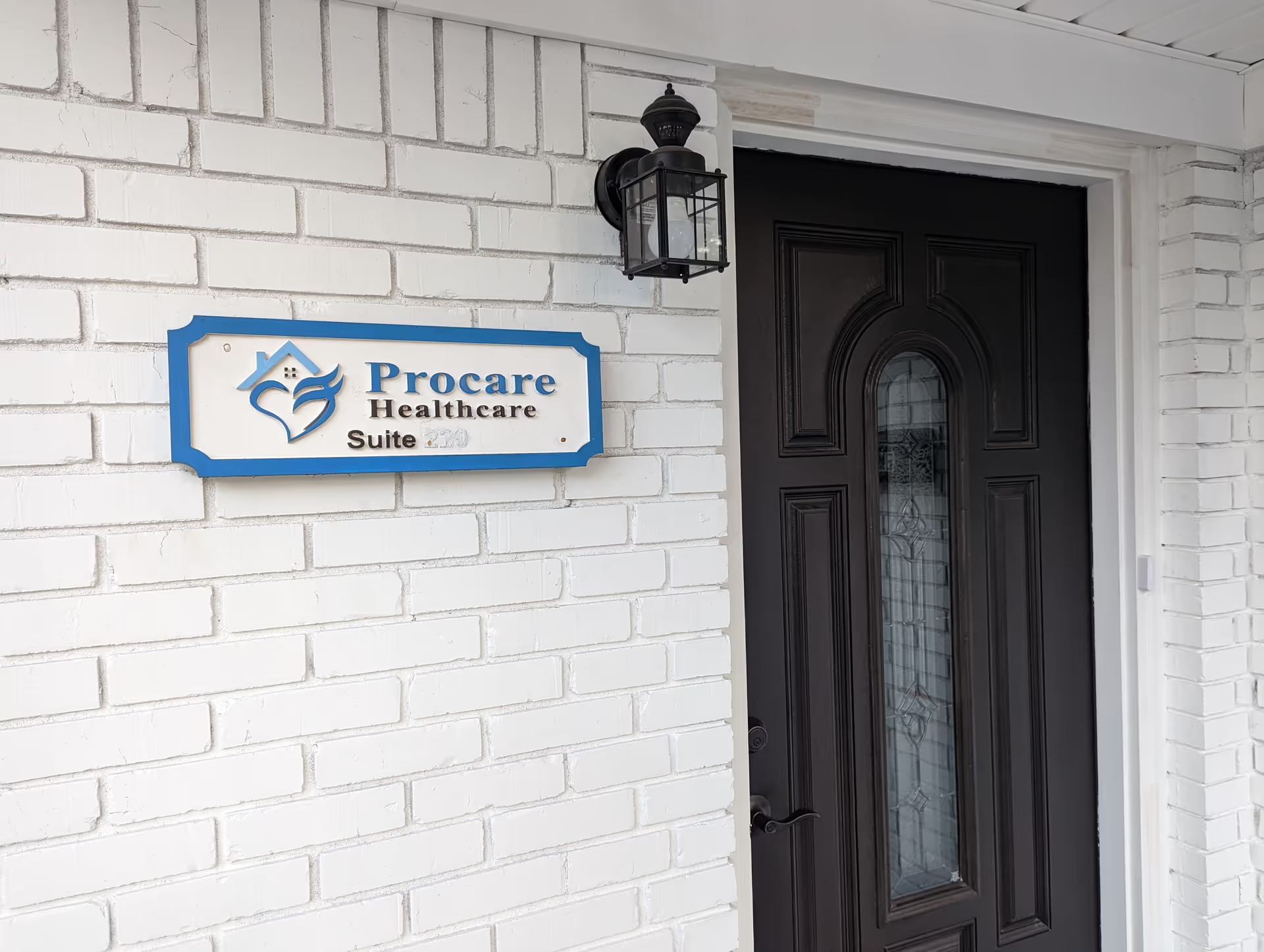
The provided reviews present a consistently positive portrait of caregiver quality. Caregivers are described as compassionate, warm, and often integrated into the client’s household life in a family-like way. Several comments highlight active engagement — participating in music, dancing, and other activities — alongside routine assistance such as bathing and household chores. Review language emphasizes strong bedside manner, attentiveness, and respectful conduct, indicating that interpersonal skills and client-centered attention are core strengths.
Office-level communication and management are portrayed as responsive and knowledgeable. Reviewers note a supervisor presence described as kind and well-informed, and praise for prompt accommodation and problem-solving suggests the office actively adapts to changing needs. Communication appears effective enough to support schedule adjustments and to coordinate caregiver assignments when client needs evolve.
Reliability and scheduling are a clear positive in these summaries: caretakers are characterized as punctual and dependable, with reviewers using terms like "reliable" and "excellent service." Reviewers also express overall satisfaction with value and outcomes, often recommending the agency and saying they "love the service." There is little to no specific feedback on billing, contract terms, or cost transparency in the supplied summaries, so those operational areas remain unassessed from this data.
Notable patterns include a recurrent emphasis on compassion, engagement, and responsiveness from both caregivers and supervisory staff. The absence of critical comments in these summaries limits visibility into potential operational weaknesses such as long-term consistency of caregiver assignment, billing practices, or clinical escalation procedures. Based solely on these summaries, the agency appears to excel at relational care, on-the-ground responsiveness, and scheduling flexibility, but further information would be needed to evaluate back-office processes and outcomes in more complex clinical situations.