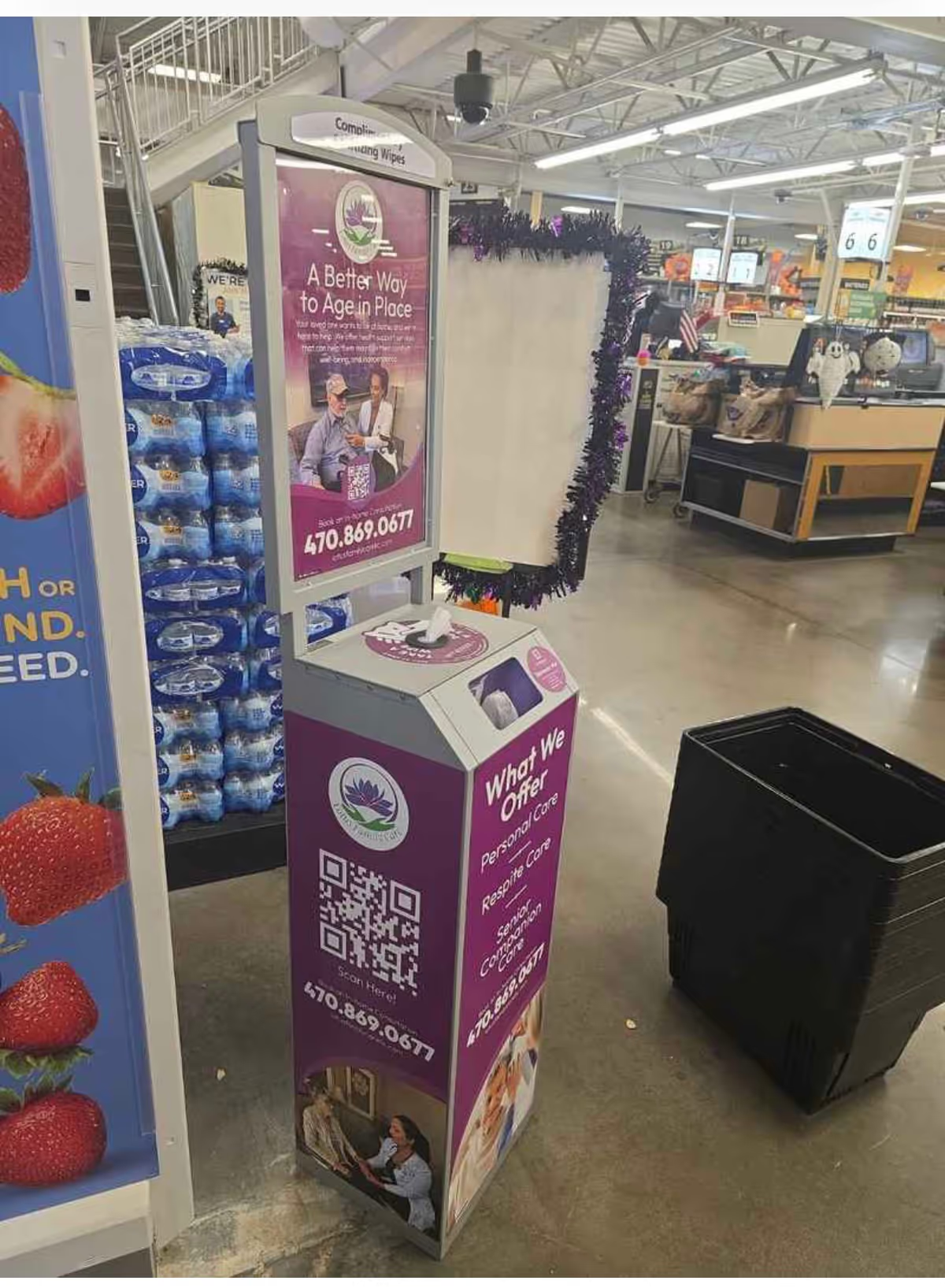
The review pattern for this in-home care agency is broadly mixed, with a clear strength at the caregiver level and recurring operational weaknesses at the administrative level. Many families describe caregivers as compassionate, warm, and clinically capable; these caregivers are credited with easing difficult transitions, assisting with medical appointments, and providing dependable hands-on support. Several accounts highlight rapid enrollment, weekend availability, effective caregiver-client matching, and a deep bench that allows for backup coverage when needed. The agency’s veteran-focused outreach and perceived supportive leadership are also noted as positive elements by multiple families.
At the care-delivery level the dominant theme is strong interpersonal skill and clinical competence: caregivers are repeatedly described as attentive, patient, knowledgeable about medical needs, and flexible with schedule changes. That said, there is variation in caregiver training and performance. A subset of comments point to inattentiveness or conduct issues during shifts (for example, personal-phone use) and, in at least one instance, an allegation of a household-property incident. These items suggest the agency could strengthen onboarding, supervision, and in-shift expectations to reduce variability in caregiver behavior.
Administrative and scheduling practices show a similar mixed profile. On the positive side, families frequently report quick placement, responsive after-hours support, reliable backup caregivers, and staff who follow through on commitments. Conversely, several reviews describe inconsistent office communication, slow responses on specific administrative matters, and difficulties with scheduling or perceived gaps in coverage. Punctuality is another area of divergence: many engagements are punctual and reliable, while others cite late arrivals or timing variability that impacted service satisfaction.
Billing and client-relations processes are an identifiable area for improvement. There are specific mentions of delayed or unresolved administrative actions — including a delayed refund and extended lack of response on an inquiry — which point to weaknesses in billing/refund workflows and escalation pathways. Some families also felt their preferences were not fully heard or that referral encouragement was discouraged, which indicates opportunities to improve family engagement and feedback handling.
Overall, prospective clients can reasonably expect compassionate, medically capable caregivers and useful operational features such as rapid start-up, weekend support, and a strong backup pool. At the same time, families should confirm policies and expectations around caregiver training, supervision, punctuality, scheduling escalation, and billing/refund procedures during intake to mitigate the variability reflected in these reviews.