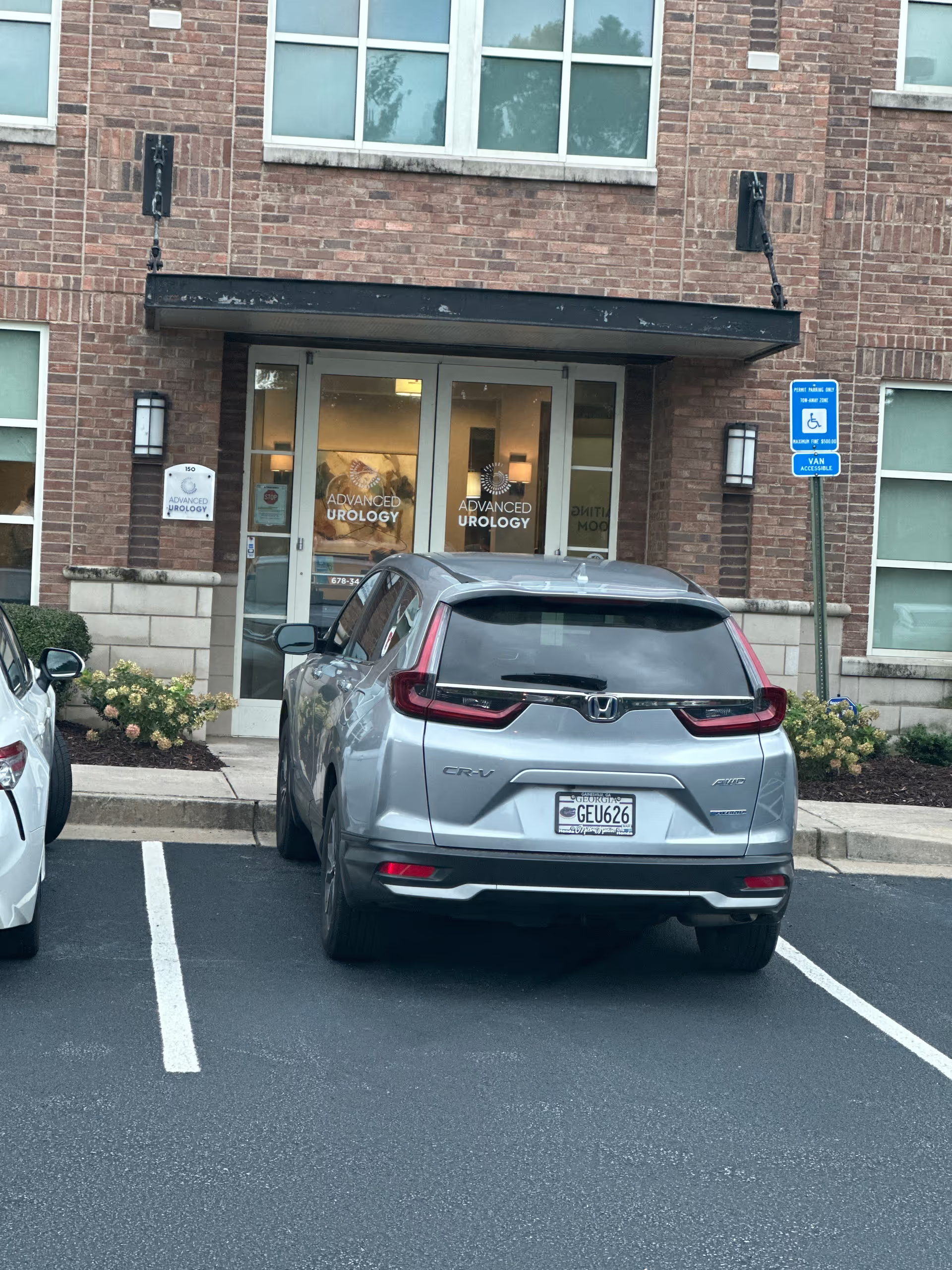
Overall impression: Reviews indicate a strong clinical reputation for Dr. Vik Sabarwal’s practice and its caregiving team. Praise focuses on clinical skill, compassionate bedside manner, clear explanations, and coordinated care that often produces measurable improvement for patients. Front-desk staff and nurses are frequently described as friendly and helpful, and the facility is generally characterized as clean and well-equipped.
Caregiver quality and clinical competence: The dominant pattern is consistent clinical competence combined with empathetic, patient-centered interactions. Multiple narratives highlight thorough assessments, clear treatment plans, effective surgical outcomes, and clinicians who take time to explain options and listen. Caregivers and nursing staff are repeatedly described as kind, attentive, and trustworthy, and reviewers report feeling supported through diagnosis and recovery.
Communication and information flow: Communication receives mixed feedback. Many reviewers explicitly praise clear, understandable explanations, pre/post education when provided, and prompt answers to questions. At the same time, there are recurring comments about inconsistent office communication—examples include missing prep instructions, incomplete post-op follow-up, and occasional privacy-related concerns. These items point to variability in how consistently written or verbal instructions are delivered and tracked.
Reliability, scheduling, and operations: Scheduling reliability is another area of divergence. Positive notes include same-day availability and flexible accommodation for urgent needs. Conversely, there are repeated operational complaints about long waits without updates, last-minute cancellations, and occasional clinician no-shows. Those patterns suggest that while the practice can be responsive, its appointment-management and patient-notification systems may be uneven.
Value, follow-up, and safety: Several reviewers mention perceived high consult or procedure costs, and others describe dissatisfaction with pain management or particular procedural experiences. Isolated accounts describe coordination lapses that had safety or escalation consequences; these appear to be exceptions but underscore a need for robust follow-up and handoff procedures. Taken together, strengths in clinical outcomes are sometimes tempered by concerns about billing clarity, post-procedure responsiveness, and consistent safety checks.
Management and notable patterns: Management appears to foster a team-oriented, patient-focused culture—physicians, nurses, and front-office staff are commonly described as professional and caring. Notable positive patterns include repeated commendations for surgical skill, effective problem resolution, and staff members who create a family-like atmosphere. Notable negative patterns include episodic breakdowns in scheduling, communication, and follow-up coordination.
Practical takeaway for prospective clients: Expect high clinical quality, strong interpersonal care, and generally good outcomes. To reduce operational risk, confirm appointment times and cancellation policies in advance, request written pre- and post-procedure instructions, and clarify billing expectations before major services. If continuity and prompt post-procedure follow-up are critical, ask how the practice documents handoffs and who to contact for urgent concerns.
In summary: The agency demonstrates clear clinical strengths and compassionate care, but operational inconsistencies—especially in scheduling communication, follow-up responsiveness, and occasional facility/privacy issues—are recurring themes that prospective clients should consider and proactively manage through explicit confirmation and written plans.