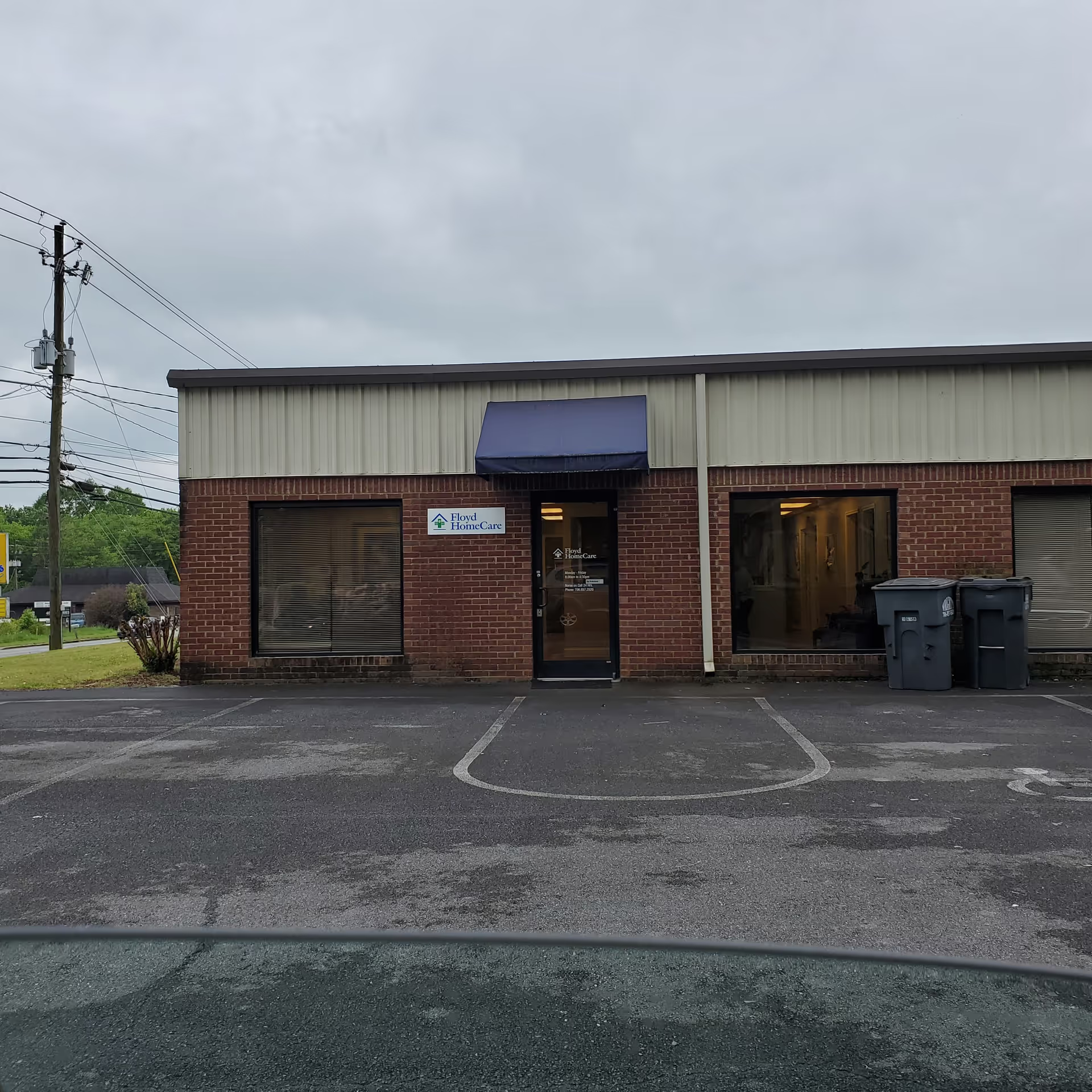
Across the summaries, clinical staff are consistently the agency's strongest asset. Reviewers described nurses, therapists, and rehabilitation teams as compassionate, patient-centered, and clinically capable. Several accounts cite effective rehab outcomes and useful occupational-therapy guidance — practical, actionable tips for daily tasks and recovery were valued. Individual caregivers and therapists made strong personal impressions; specific staff names were shared as examples of clinicians who provided attentive, personalized support.
By contrast, administrative and office functions are a recurring area of concern. Reviewers describe short-notice schedule changes, missed or unexpectedly discontinued visits, and general disorganization in scheduling. Phone and office communication were frequently characterized as brusque or unprofessional, and families complained of limited transparency and insufficient involvement in care decisions. Those operational issues created anxiety for families and, in some cases, interrupted continuity of care.
Reliability and scheduling flexibility appear uneven: when clinical staff are present the care is viewed favorably, but inconsistent shift coverage and abrupt service discontinuation undermine confidence. The pattern suggests solid front-line clinical practice combined with weaker back-office systems for scheduling, family communication, and case continuity.
In terms of value, clinical outcomes and hands-on caregiver support generated strong positive impressions of the agency's therapeutic benefit. However, administrative shortcomings diminish overall satisfaction; families appreciated the quality of direct care but reported stress related to scheduling unpredictability and unclear communication. Improving administrative responsiveness, standardizing discharge and scheduling protocols, and strengthening family engagement would likely align the positive clinical experience with a more reliable operational experience.