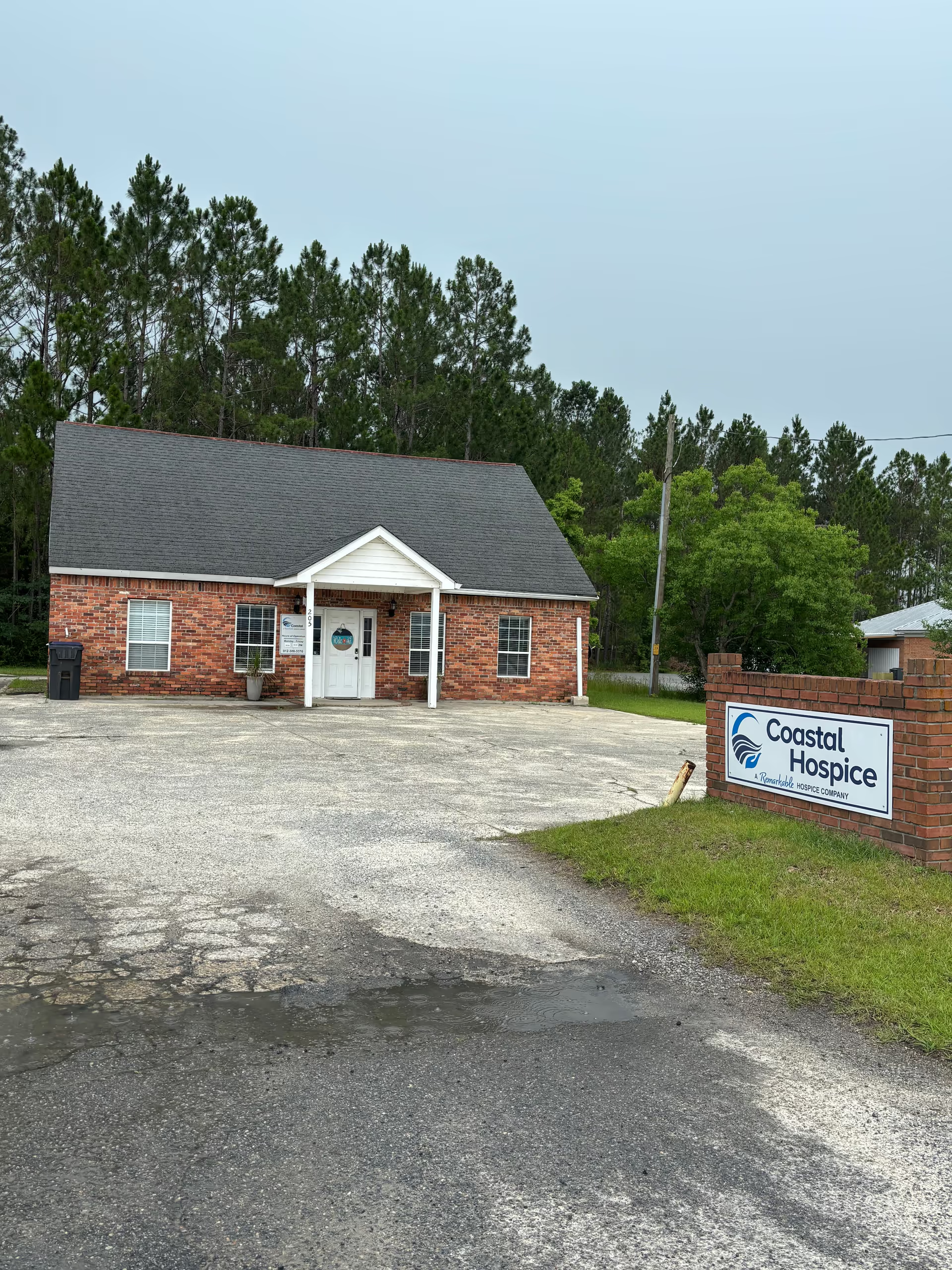
Overall impression: Feedback for this in-home care office is mixed. Several comments praise individual caregivers for compassion, attentiveness and professionalism, but a number of operational issues undermine family confidence. Recurring themes include communication breakdowns, missed or unexpectedly brief visits, and concerns about how the office manages authorization and supervision of care.
Caregiver quality: Individual caregivers are frequently described in positive terms—compassionate, attentive and professional—indicating that the agency can recruit or assign staff who provide warm, person-centered care. At the same time, other accounts describe uneven caregiver conduct and limited empathy on some visits. This pattern suggests variability in either hiring, orientation, or ongoing supervision rather than an across-the-board caregiver-quality problem.
Office communication and management: Communication appears to be a major pain point. Reviewers mention little or no advance notice before visits, difficulty reaching supervisors, and unsatisfactory follow-up when issues arise. Reports of visits occurring without clear authorization highlight potential gaps in visit-confirmation and client-consent procedures. Those operational weaknesses amplify family frustration because they erode trust and make coordination more difficult.
Reliability, scheduling and value: Several comments refer to missed services and very short visits that did not meet expectations, which indicates unreliable shift coverage and inconsistent adherence to scheduled visit durations. When visits are shortened or missed, families understandably reassess the perceived value of paid care. There is limited information about billing specifics, but missed or incomplete visits are likely to affect families’ judgments about overall value and prompt some to seek alternative providers.
Notable patterns and practical considerations: The most consistent positives are the strengths of individual caregivers; the most consistent negatives are office-level operational problems—communication, scheduling adherence, visit-authorization and supervisory responsiveness. Prospective clients and families should ask the agency about its confirmation protocols, how it documents client consent for visits, procedures for missed-shift coverage, average visit lengths, and escalation pathways to supervisors. Addressing those areas would likely preserve caregiver strengths while reducing the operational gaps families experienced.