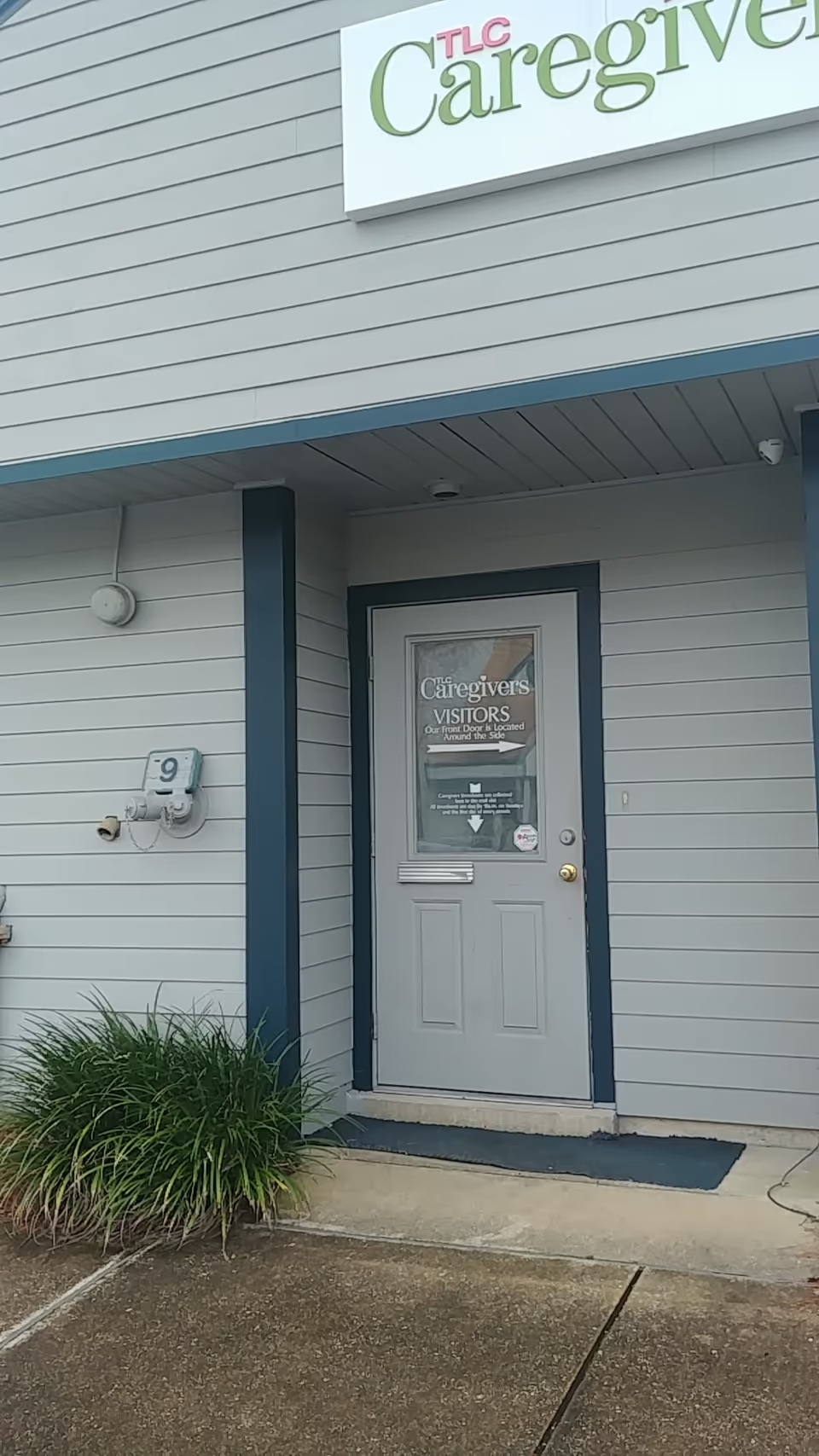
Overall sentiment across the summaries is strongly positive about the direct care staff and the agency’s responsiveness. Caregivers are consistently described as compassionate, attentive, and patient; many families highlighted dependable personal-care assistance (bathing, dressing, feeding), companionship, meal support, errands, pet help, and light housekeeping. Reviewers repeatedly noted that caregivers are well trained, safety-focused, and able to create a calm, engaging environment for clients, which translated into relief and peace of mind for family members.
Office-level interactions are generally praised for responsiveness and flexibility. Families described timely updates, helpful scheduling tools (including an app), quick substitutions when schedules change, and proactive wellness outreach (birthday calls, storm checks, community gift programs). These administrative practices appear to support continuity for most clients and make the agency easier to work with than other providers for many families.
Reliability is a recurring strength but with qualifications. Numerous summaries cite punctual, reliable shift coverage and respectful, professional staff; however, caregiver assignment consistency can vary. Multiple families observed turnover or changes in caregiver personnel that required additional matching or orientation. Several reviewers said it took a few tries to find an ideal caregiver fit, so expect an initial adjustment period during matching.
Value and billing present a mixed picture. While many families expressed gratitude for the reduction in caregiving burden and the quality of support relative to cost, a number of summaries raised concerns about the price level. There are also instances indicating unclear guidance around program eligibility (for example, veteran benefits), which suggests families should confirm benefit entitlements and pricing details up front.
Notable patterns to consider: the agency demonstrates clear strengths in caregiver warmth, professionalism, and family communication, supported by background checks and staff education. At the same time, there are operational areas to address — inconsistent caregiver assignments, variable household-care quality, and administrative communication frequency were mentioned as pain points. A small number of summaries referenced a significant negative care experience; while these appear to be exceptions rather than the norm, they underscore the importance of confirming individualized care plans, routine alignment, and escalation pathways at the start of service.
Practical takeaways for prospective clients: clarify pricing and benefit eligibility before enrollment, discuss expectations for caregiver consistency and matching, request details about substitution procedures and communication preferences, and document the preferred daily routine to reduce variability. Doing so will help families leverage the agency’s strengths while reducing the operational risks noted in a minority of summaries.