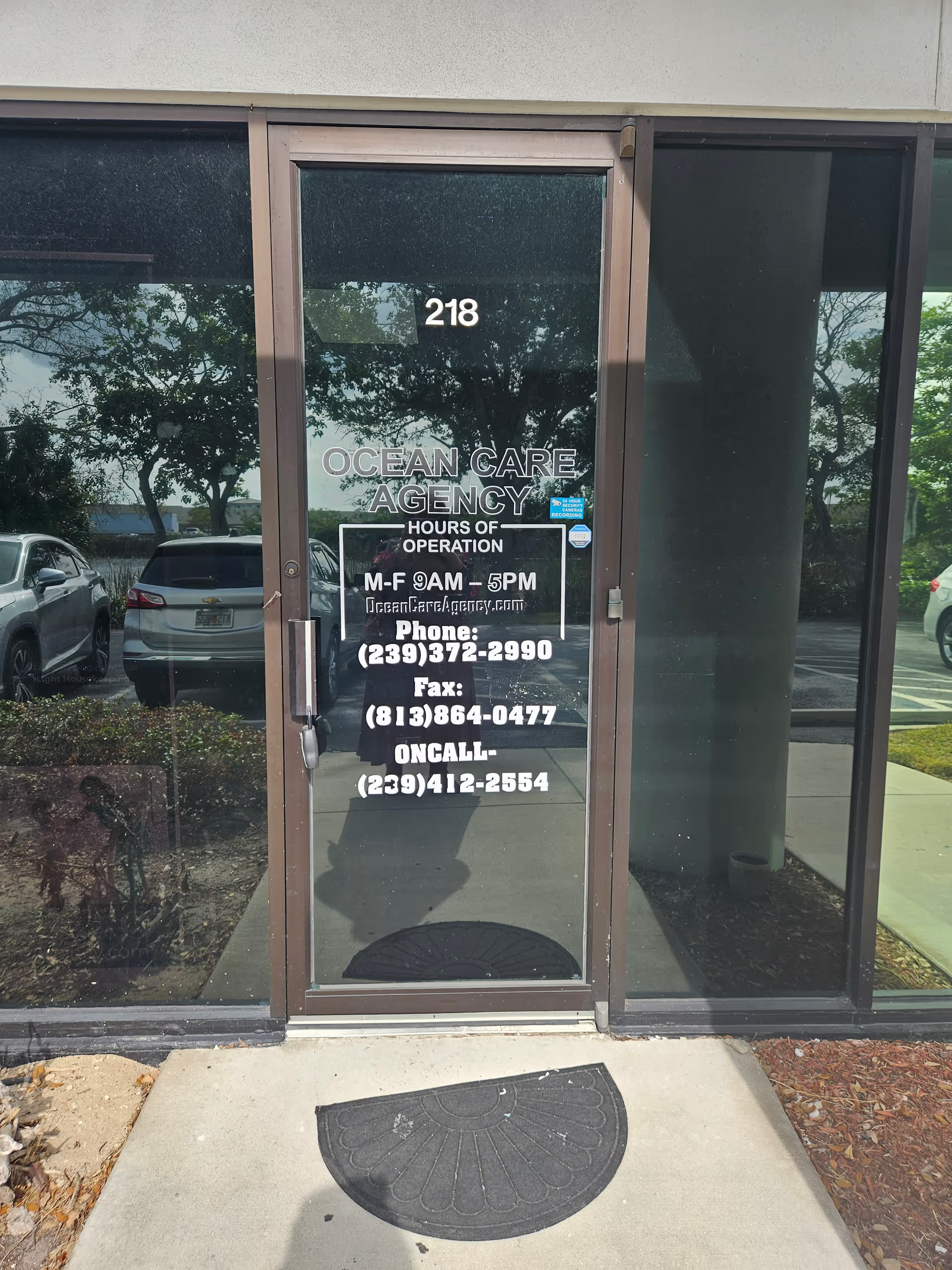
Overall impression: Most families describe a high level of personal, hands-on care delivered by caregivers who are warm, compassionate and invested in clients' wellbeing. Reviewers frequently cite caregivers who provide both clinical and practical support — assisting with mobility and rehabilitation, performing household tasks, helping with paperwork, and offering emotional companionship that contributes to clients' ability to remain at home.
Caregiver quality: The dominant theme across the feedback is caregiver warmth and dedication. Reviewers praised individuals who were described as respectful, gentle, and family-oriented; several named aides were singled out for exemplary attentiveness, consistency, and the ability to boost mood and communication. Care was noted to extend beyond basic tasks into coordination with therapists and other providers, dementia-aware approaches, and practical household help (meal preparation, laundry, light cleaning). These elements are consistently linked to improved safety, mobility gains, and greater family peace of mind.
Office communication and management: Families commonly acknowledged helpful, responsive office staff and a smooth intake process. At the same time, there is a clear pattern of variability: some accounts describe poor communication, scheduling confusion, and frustration when office responsiveness lags. This mixed picture suggests the agency generally provides effective administrative support but experiences intermittent breakdowns in communication and case oversight that affect client experience.
Reliability and scheduling: Several reviewers report dependable, consistent caregiver assignments and flexible scheduling that met needs; others describe the opposite — missed or changed shifts and unfamiliar replacements that created stress. Taken together, the feedback points to an operational weakness in shift continuity and backup staffing. Strengthening procedures for shift coverage, caregiver matching, and advance communication about substitutions would address the most common service gaps raised by families.
Value and management oversight: Families express strong confidence in the value of services where caregivers are consistent and communicative; many emphasize the relief and peace of mind the care team provided. There are few direct comments about billing or pricing, so monetary value is judged largely by perceived caregiver quality and reliability. Management involvement shows up positively in examples of care coordination and paperwork assistance, but the occasional lapses in training/competency and scheduling indicate areas where supervisory attention and standardized processes could improve overall consistency.
Notable patterns and implications for prospective clients: If consistent caregiver assignment, dementia-aware care, and household support are priorities, the agency appears capable of delivering these strengths. Prospective clients should clarify expectations about weekend/after-hours coverage and ask about contingency plans for caregiver absences. Families looking for both clinical support and emotional companionship are likely to find strong matches here, while those for whom uninterrupted shift coverage is critical should verify staffing continuity and communication protocols during intake.