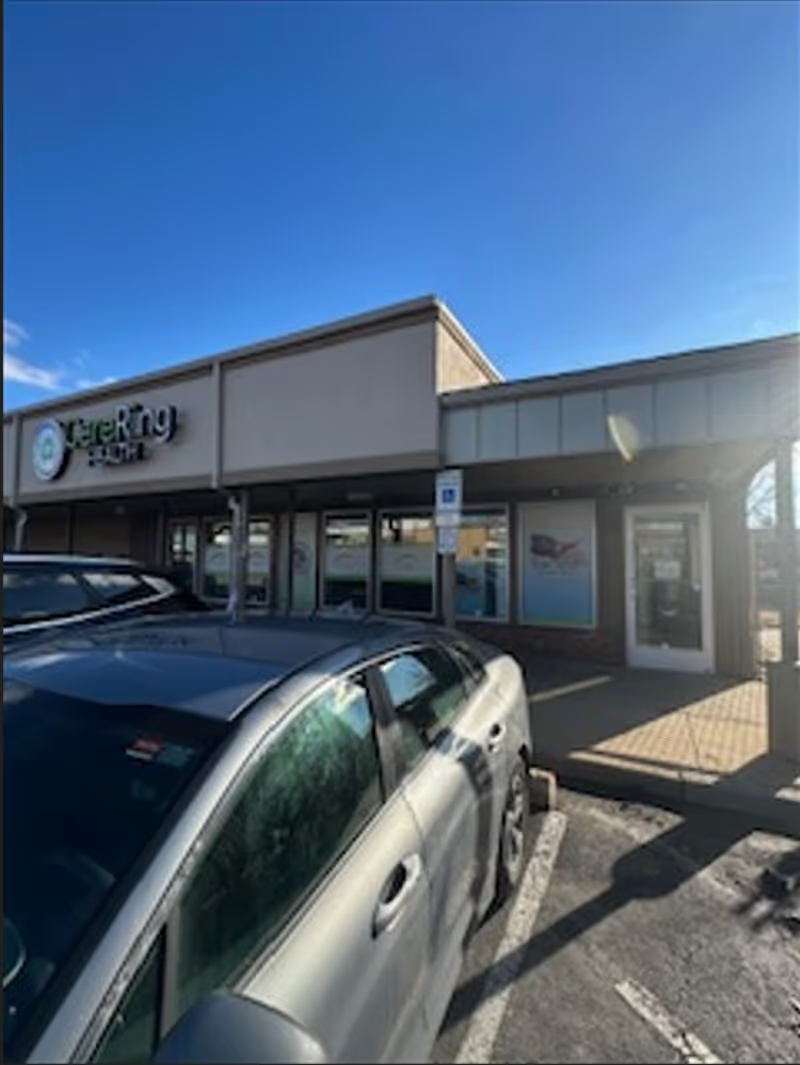
Caregiver quality: Review summaries consistently emphasize the agency's strength in identifying and placing compatible, well‑screened caregivers. The firm highlights a 16‑hour training component and reviewers describe caregivers as friendly, engaging, and a good cultural fit for families. Several accounts describe high placement satisfaction, long‑term match success, and caregivers who express appreciation for their assignments, which together suggest the agency is effective at recruitment, vetting, and matching.
Office communication and management: Perceptions of office communication are mixed. Many reviewers praise responsive communication, proactive follow‑up, and helpful behind‑the‑scenes coordination that supports a smooth placement. However, there are recurring mentions of inconsistent responsiveness from staff and an unclear placement/onboarding process. A specific operational concern that appears in multiple summaries is limited visibility into in‑person interview options; some families expect or prefer in‑person meetings and may find the agency's approach to interviews and initial introductions insufficiently transparent.
Reliability, scheduling, and flexibility: Positive comments focus on successful matches and post‑placement support rather than operational failures; reviewers commonly describe placements as well managed and caregivers as dependable once in position. There is limited direct commentary about missed shifts or scheduling conflicts in the available summaries, so prospective clients should inquire directly about shift reliability, backup coverage, and scheduling flexibility if those are critical factors.
Billing and perceived value: The agency fee level (noted as 16% in summaries) is an explicit point for consideration. Multiple reviewers flagged the fee as notable; at the same time, overall sentiment about value is positive because of candidate quality and support. Prospective clients would benefit from clarifying fee structure, refund/cancellation terms, and what services are included before committing, so they can weigh the fee against expected placement outcomes.
Notable patterns and guidance: The dominant pattern is strong caregiver vetting and effective matching, supported by proactive placement follow‑up. The main operational weaknesses are around transparency and consistency of office communication (including interview practices) and clarity about fees. Families evaluating this agency should focus their initial questions on the interview format available, expected timelines and steps in the onboarding process, communication points of contact, and a detailed explanation of fees and what they cover. This will help align expectations and make the most of the agency's strengths in candidate quality and placement support.