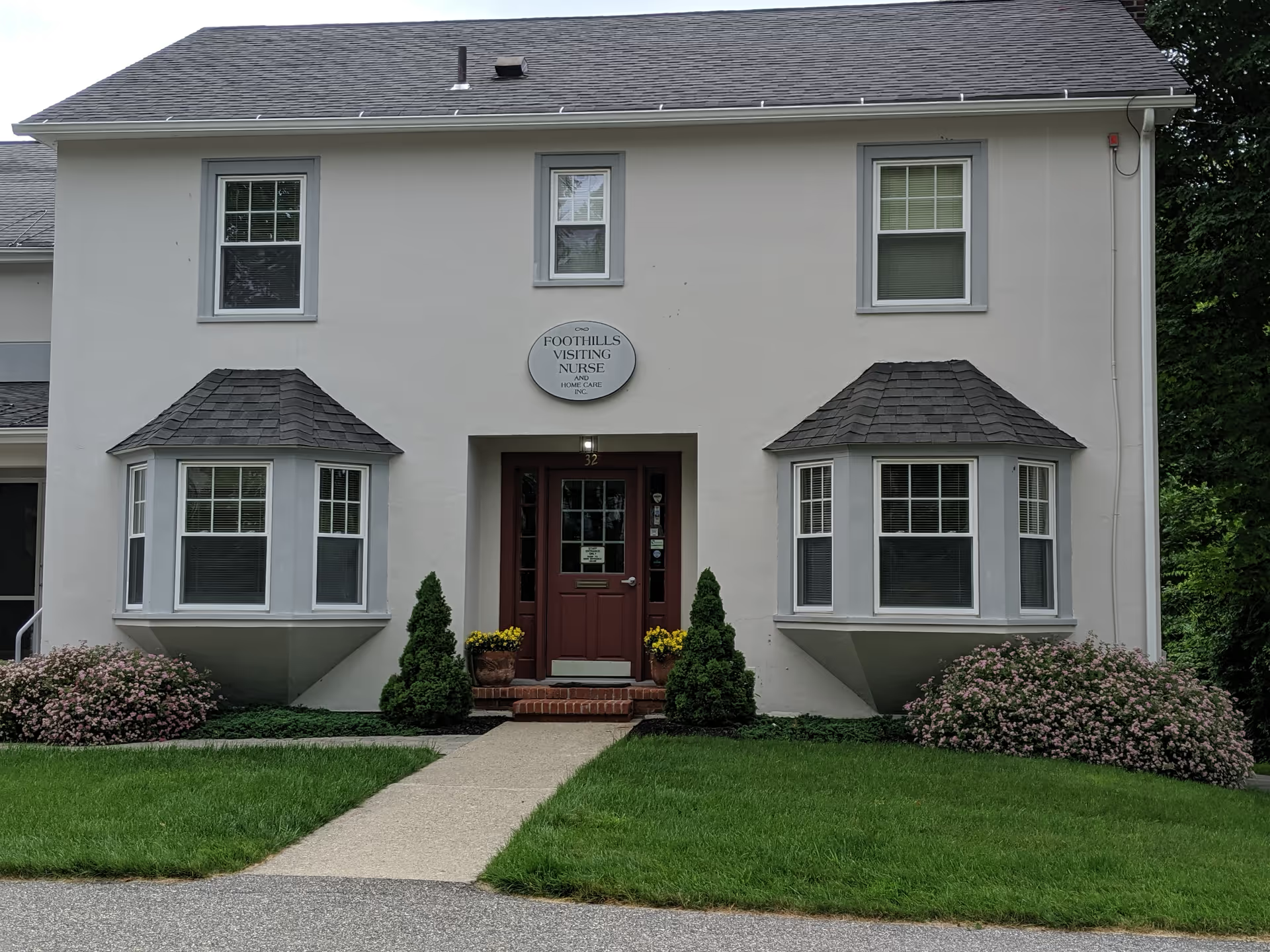
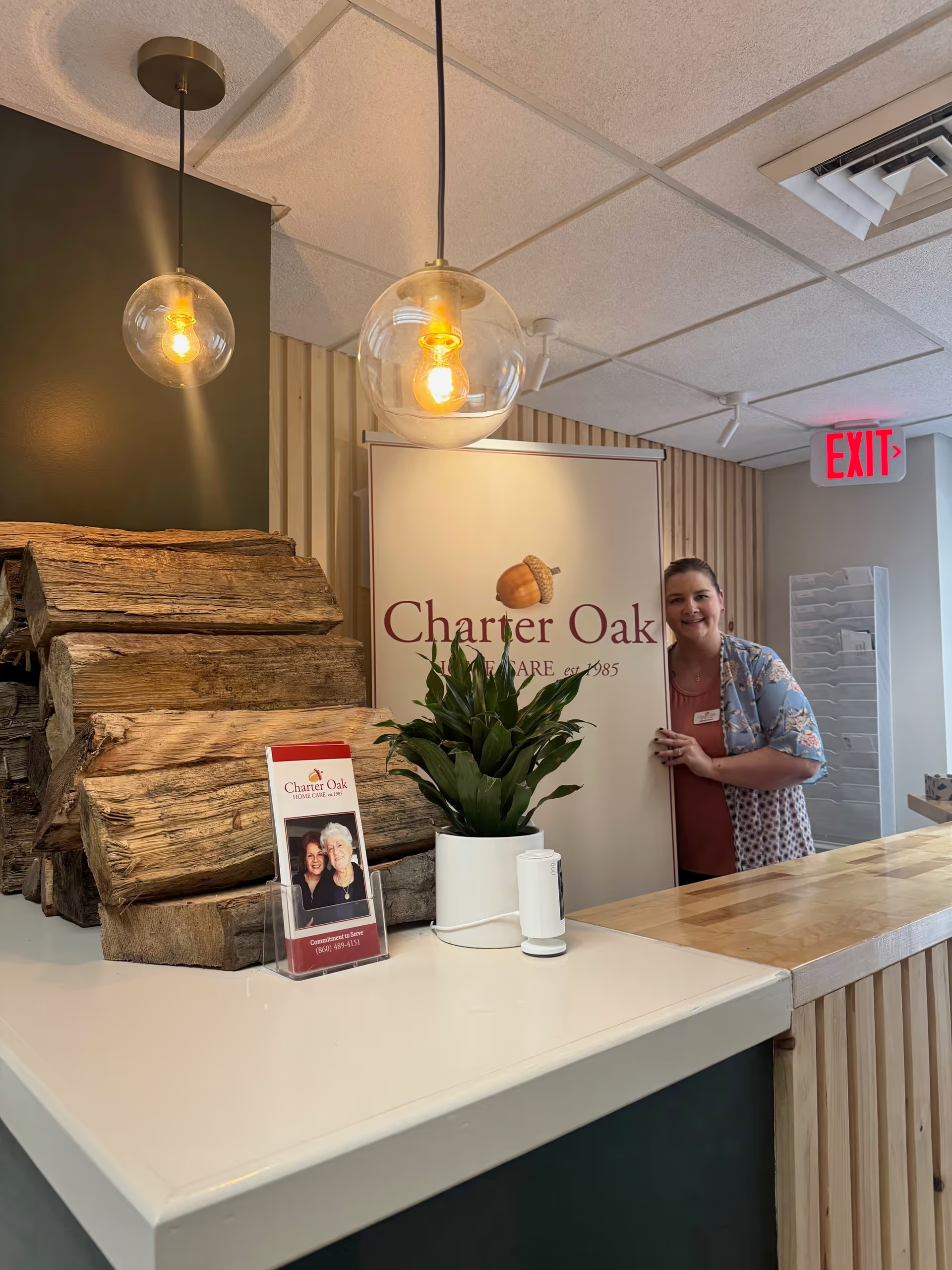
The collected summaries present a consistently favorable view of Winsted Home Care Services across caregiver quality, communication, and scheduling. Caregiver-related comments emphasize compassion, kindness, and professional demeanor; families describe strong bonds forming between aides and clients, effective emotional and physical support, and caregivers who are perceived as calming and attentive. Multiple notes reference high-quality aides and an ability to match helpers well with clients, which contributed to continuity of care and peace of mind for families.
Office communication and management receive repeated positive mentions. Reviewers describe rapid initial responses and ongoing responsiveness from the agency office, including timely setup of services and a willingness to receive and act on family feedback. Staff are characterized as professional and knowledgeable about insurance interactions, and several accounts cite clear, prompt coordination between office personnel and caregivers (including visiting nurses where applicable).
Reliability and scheduling flexibility are prominent strengths. The agency is repeatedly credited with dependable shift coverage, 24/7 availability, live-in options, and short-notice flexibility to cover changing needs. These operational capabilities are frequently framed as enabling clients to remain at home or to receive continuous support in a facility setting. Assistance with errands and appointments is also cited, indicating a practical, day-to-day support orientation in addition to personal-care duties.
On value and clinical oversight, the public material is less granular. Reviewers note professionalism around insurance and smooth billing interactions, but there is limited detail about out-of-pocket pricing for services not covered by insurance. Likewise, while visiting nurses and around-the-clock aides are mentioned, there is sparse explicit information about clinical governance or protocols for higher-acuity medical needs; prospective clients with complex medical requirements should confirm clinical oversight and escalation procedures before engaging services.
Notable patterns and cautions: the available summaries are heavily weighted toward positive experiences, which supports a favorable overall impression but limits visibility into downside risks. Operationally, the agency appears to rely on flexible and short-notice staffing to maintain 24/7 coverage; that model supports responsiveness but can introduce variability in long-term caregiver continuity for some families. For decision-making, prospective clients should validate continuity plans, pricing details for non-insured services, and clinical oversight for higher-acuity care in order to ensure the agency’s strengths align with the client’s specific needs.