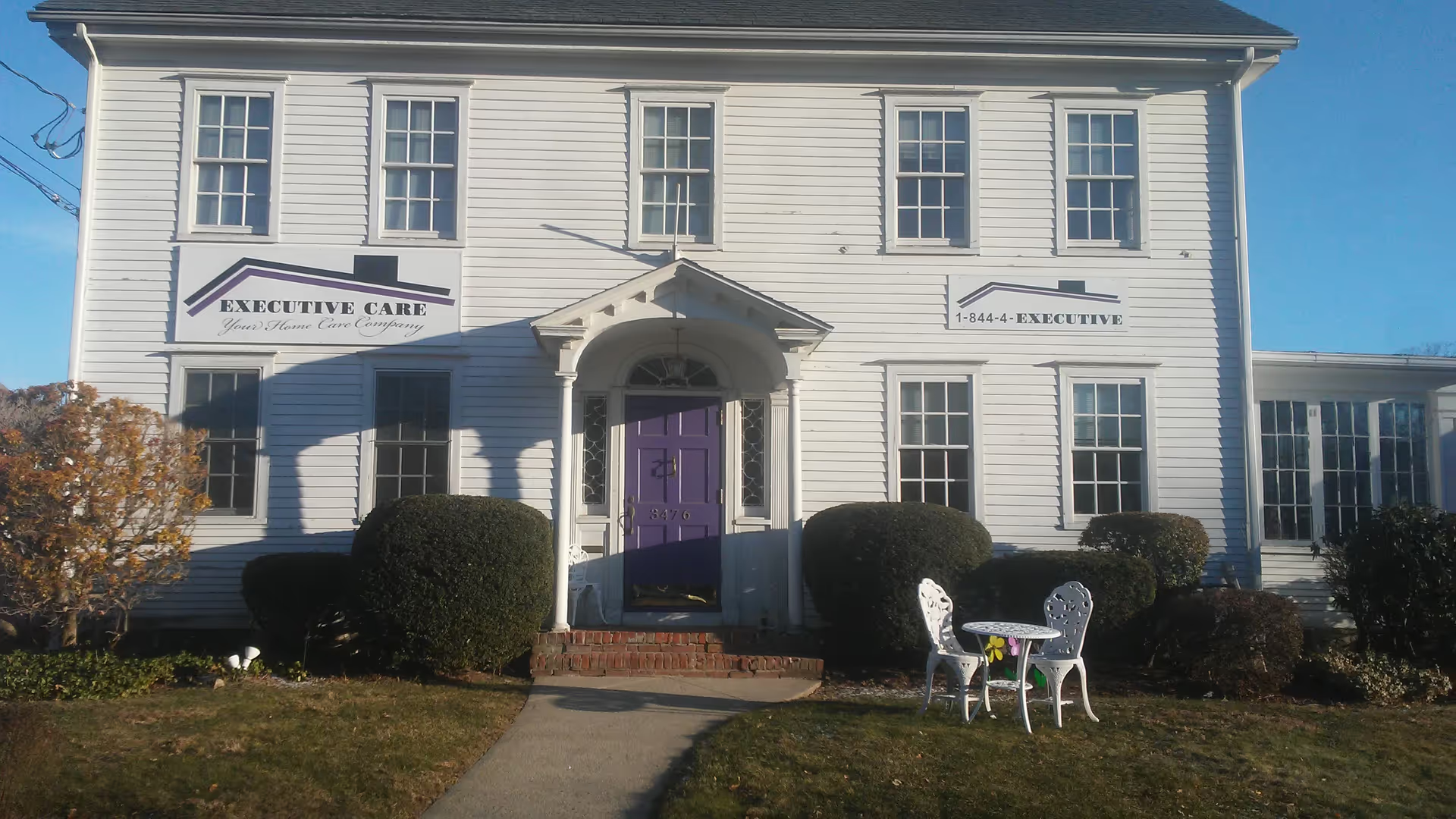
Overall impression: Reviews describe a clinical staff with strong technical skills and compassionate bedside manner alongside recurring administrative and management concerns. Clinical strengths focus on skilled nursing, effective wound care, and notably strong physical-therapy services; families credited specific clinicians with thorough teaching, encouragement, and a patient approach. The agency's care teams are frequently described as professional and comforting, providing reassurance to families during acute and post-acute episodes.
Caregiver quality: Nursing and therapy staff receive consistently positive remarks for clinical competence and interpersonal tone. Reviewers highlighted knowledgeable RNs and physical therapists who provide clear guidance, patient education, and hands-on rehabilitation that families found valuable. Wound care and other specialized nursing functions were identified as strengths, and individual clinicians were singled out for exceptional performance.
Office communication and management: Administrative interaction is mixed. Several reviewers reported clear, prompt clinical updates and timely physician communications; others described inconsistent messaging from the office, phone-answering problems, and instances in which complaints were not handled to the family's satisfaction. There are specific concerns about how grievances are managed and about management conduct in conflict situations, which some families felt undermined trust even when front-line clinicians performed well.
Reliability, scheduling, and responsiveness: Clinical visits and emergency coverage are generally reliable according to many accounts—families appreciated rapid responses in urgent situations and even holiday coverage. At the same time, reviewers described variable timeliness and occasional scheduling delays. These accounts suggest dependable clinical response in many cases but uneven administrative scheduling and follow-through in others.
Medication safety and risk areas: While many clinical aspects are praised, there are important safety-related concerns raised about medication management and perceived lack of urgency in specific situations. These are not characterized as systemic proof of widespread failure but are significant enough in some reports to merit further inquiry by prospective clients and referring clinicians.
Value and coordination: Where families commented on value, they associated it with the combination of skilled clinicians and responsive clinical communication. Interdisciplinary coordination among RNs, PTs, and aides was often seen as a benefit, contributing to continuity of care and family confidence when it functioned well.
Notable patterns and recommendations for prospective clients: Strengths cluster around clinical skill, therapy quality, and empathetic caregiving. Operational weaknesses center on administrative responsiveness, complaint handling, and occasional medication-management concerns. Prospective clients and families should weigh the clinical reputation of the nursing and therapy teams against the potential for inconsistent office communication; asking about escalation paths for concerns, medication-safety protocols, and typical scheduling practices prior to engagement may help set expectations and mitigate identified risks.