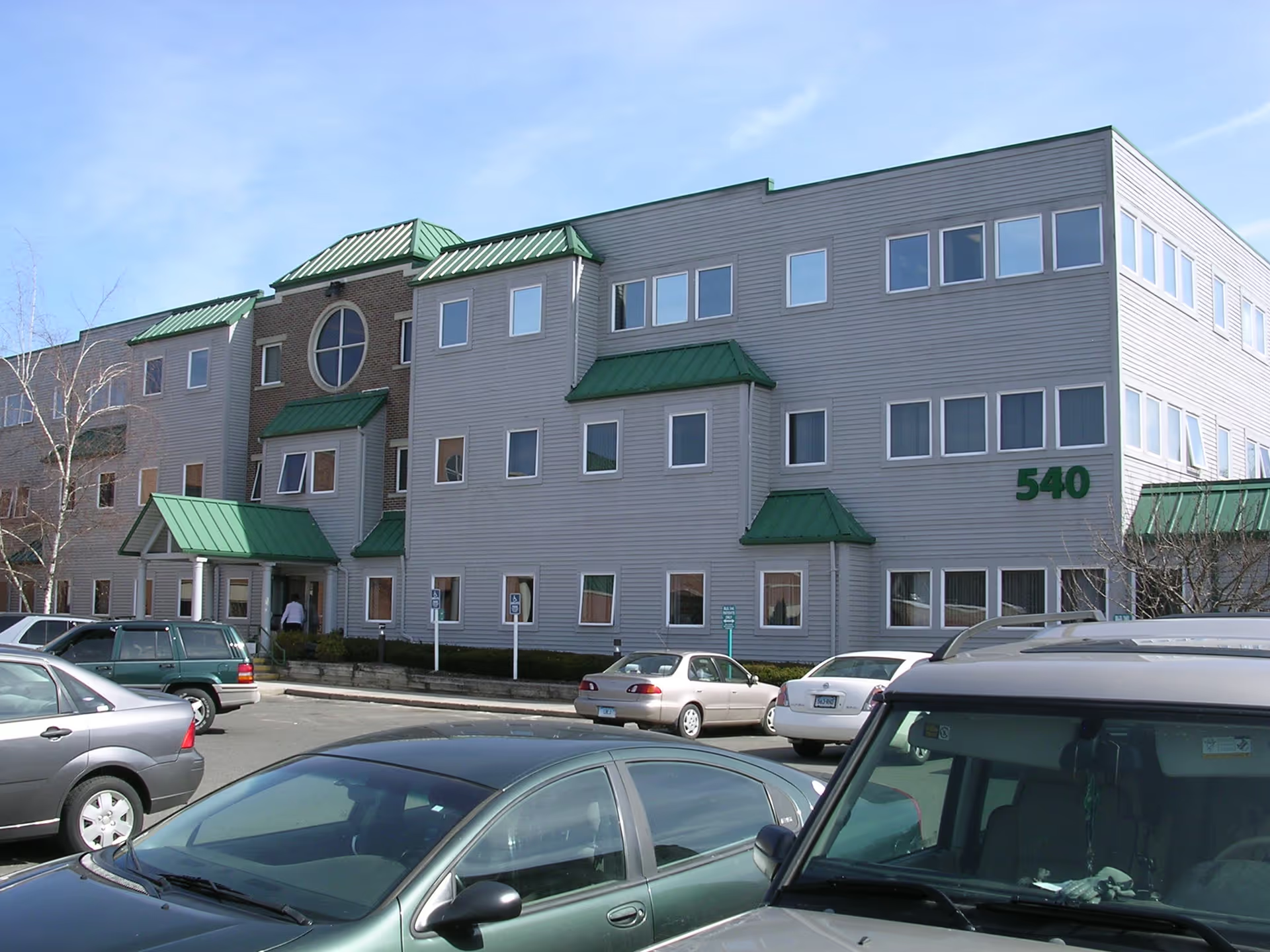
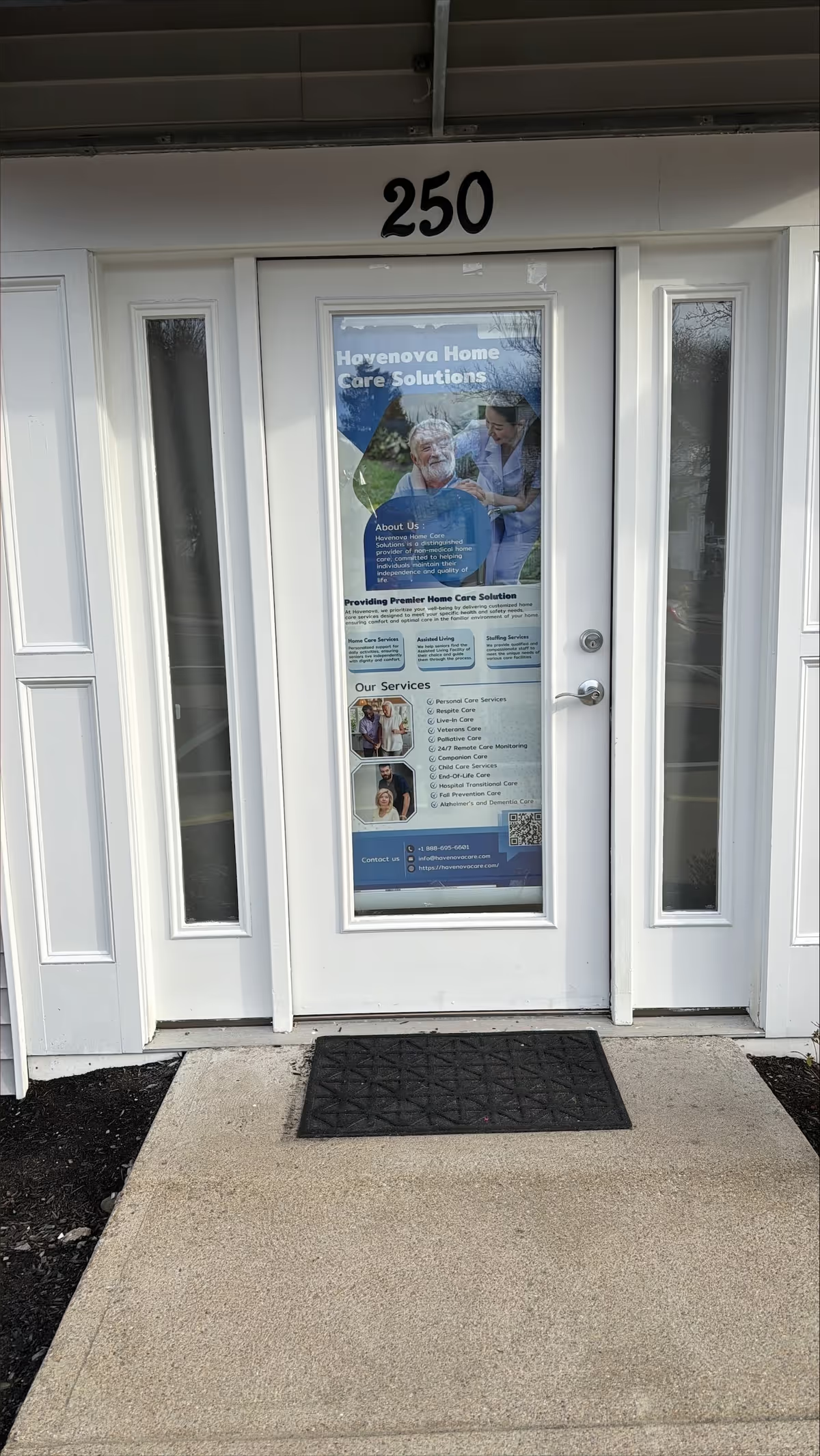
Overall impression: Reviewers describe a clinically capable program with strengths in direct patient care and routine testing logistics, alongside recurring administrative and operational frictions. The clinic's clinical staff—nurses, technologists and physicians—are consistently described as compassionate, patient-focused and technically competent. Many accounts emphasize efficient intake workflows, short visits for routine procedures, prompt blood draws with minimal discomfort, and courteous front-desk interactions. Several reviewers also noted quick result turnaround and proactive confirmation calls, which support timely follow-up.
Caregiver quality: Clinical staff receive uniformly positive commentary for bedside manner and skill. Descriptions emphasize patient-centered interactions, patience, and reassurance during examinations and procedures. This pattern suggests consistent training and an emphasis on interpersonal care. At the same time, a small number of experiences describe procedural shortcuts or interactions that felt uncomfortable to patients; those accounts point to occasional lapses in how procedures are explained or performed rather than a generalized deficiency in clinical competence.
Communication, reliability and scheduling: Scheduling and flow are mixed. Many visits proceed quickly with short waits, but wait times can be variable depending on clinic volume and diagnostic bottlenecks. Radiology/diagnostic scheduling delays and longer waits are mentioned enough to indicate inconsistent throughput during busier periods. Office communication is generally courteous, but there are documented gaps—examples include delays in obtaining prior medical records, incomplete explanations at appointments, and moments of unprofessional tone from staff. These issues appear operational rather than clinical and may affect patient experience more than clinical outcomes.
Billing, value and management: Billing and account-management concerns are the most substantive administrative pattern. Multiple accounts describe difficulties with a third-party billing vendor (named RAM) that include ongoing charges and collection activity; reviewers indicate these issues had practical consequences for accounts and credit. Separate comments raise questions about perceived value and pricing. Together these items suggest a need for clearer billing transparency, improved vendor oversight, and more responsive financial communication from management.
Notable patterns and takeaways: Prospective clients can reasonably expect strong clinical care, courteous front-desk service, efficient routine testing and rapid result handling in many visits. Areas to probe during intake are expected wait-time variability, diagnostic appointment scheduling practices, processes for obtaining outside medical records, and the agency's billing/vendor procedures. Asking specific questions about how billing disputes are handled and how records transfers are managed will help families evaluate whether this program fits their priorities.