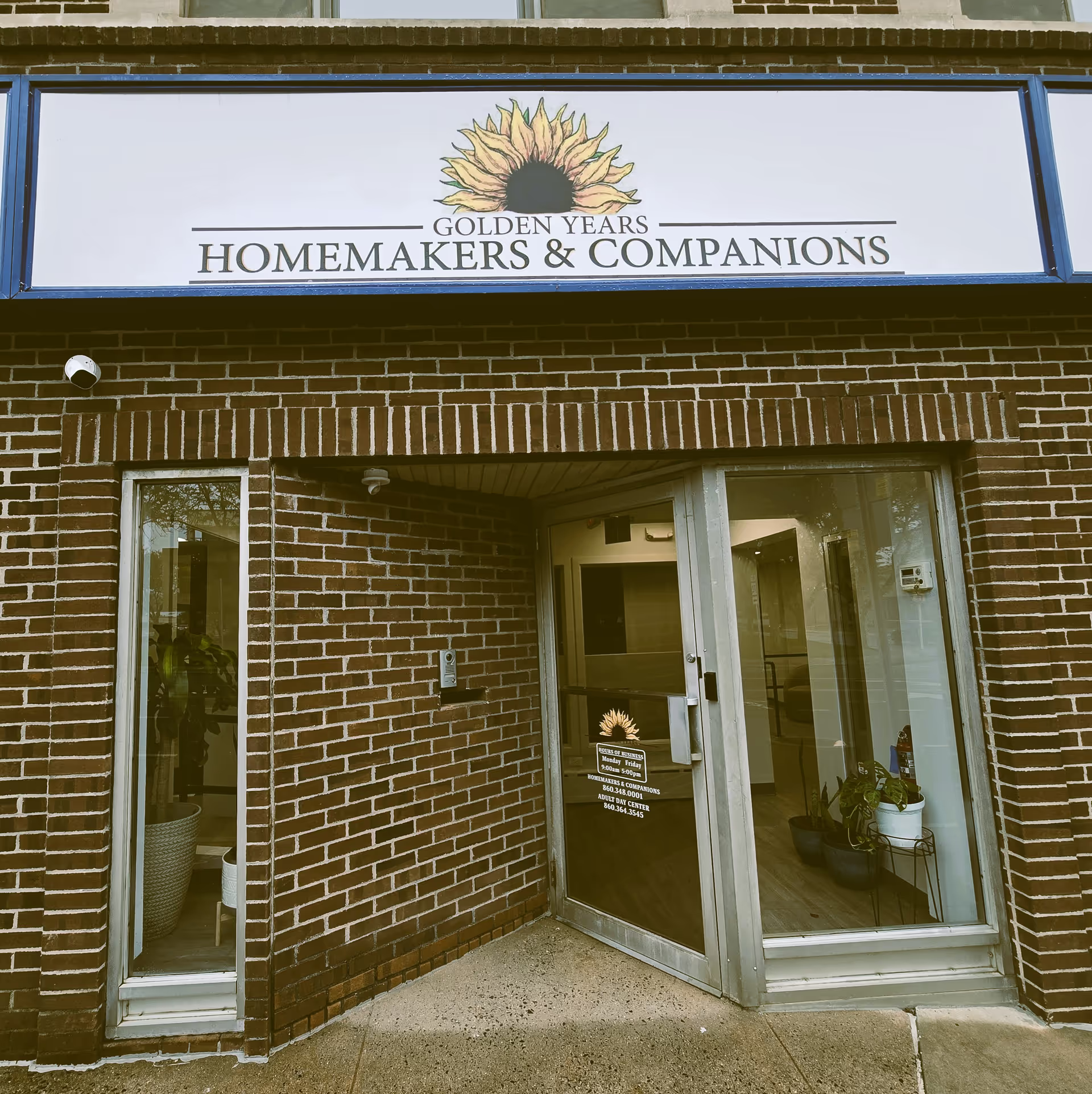
Overall impression: The reviews skew strongly positive, emphasizing warm, attentive caregivers and an agency that delivers personalized, family-oriented in-home care. Many families highlighted aides who provided consistent companionship, meal preparation, and hands-on assistance that produced measurable peace of mind. Several accounts describe caregivers who became part of the household routine and were praised for professionalism, respect, and compassion.
Caregiver quality: Most comments celebrate skilled, experienced aides who are knowledgeable about daily living assistance and who demonstrate empathy and respect. Reviewers used phrases such as attentive, capable, and went above and beyond, with some naming specific caregivers positively. At the same time, the presence of at least one strongly negative account indicates variability in caregiver competency; that suggests the agency may deliver uneven skill levels across different matches.
Office communication and management: Multiple reviewers praised proactive, professional communication from the office and quick staffing when needs arose, which families said eased transitions and urgent situations. However, one detailed critique described circular communication and unfulfilled commitments about coverage. Taken together, the pattern suggests generally responsive management with occasional lapses in clarity and follow-through that can affect family confidence.
Reliability, scheduling, and value: Many families reported reliable shift coverage and the ability to secure short-notice staffing, contributing to perceived value and peace of mind. Conversely, concerns about unmet coverage commitments point to potential weaknesses in scheduling processes or backup staffing protocols. There is limited commentary on billing practices in the sample; however, high overall satisfaction scores and recommendations imply that most clients perceive good value where care and responsiveness meet expectations.
Notable patterns and practical implications: Strengths include a caring, relationship-focused approach, consistent aides in many cases, helpful meal preparation, and supportive end-of-life presence. The primary operational weaknesses to probe when evaluating this agency are consistency of caregiver competency, the agency’s backup-staffing policies, and the clarity of communication and escalation pathways. Prospective clients should ask about caregiver screening and training, how the agency handles requested coverage changes or last-minute gaps, and who is the point person for unresolved communication issues. These targeted questions can help families preserve the positive aspects noted in reviews while mitigating the occasional administrative and consistency shortcomings.