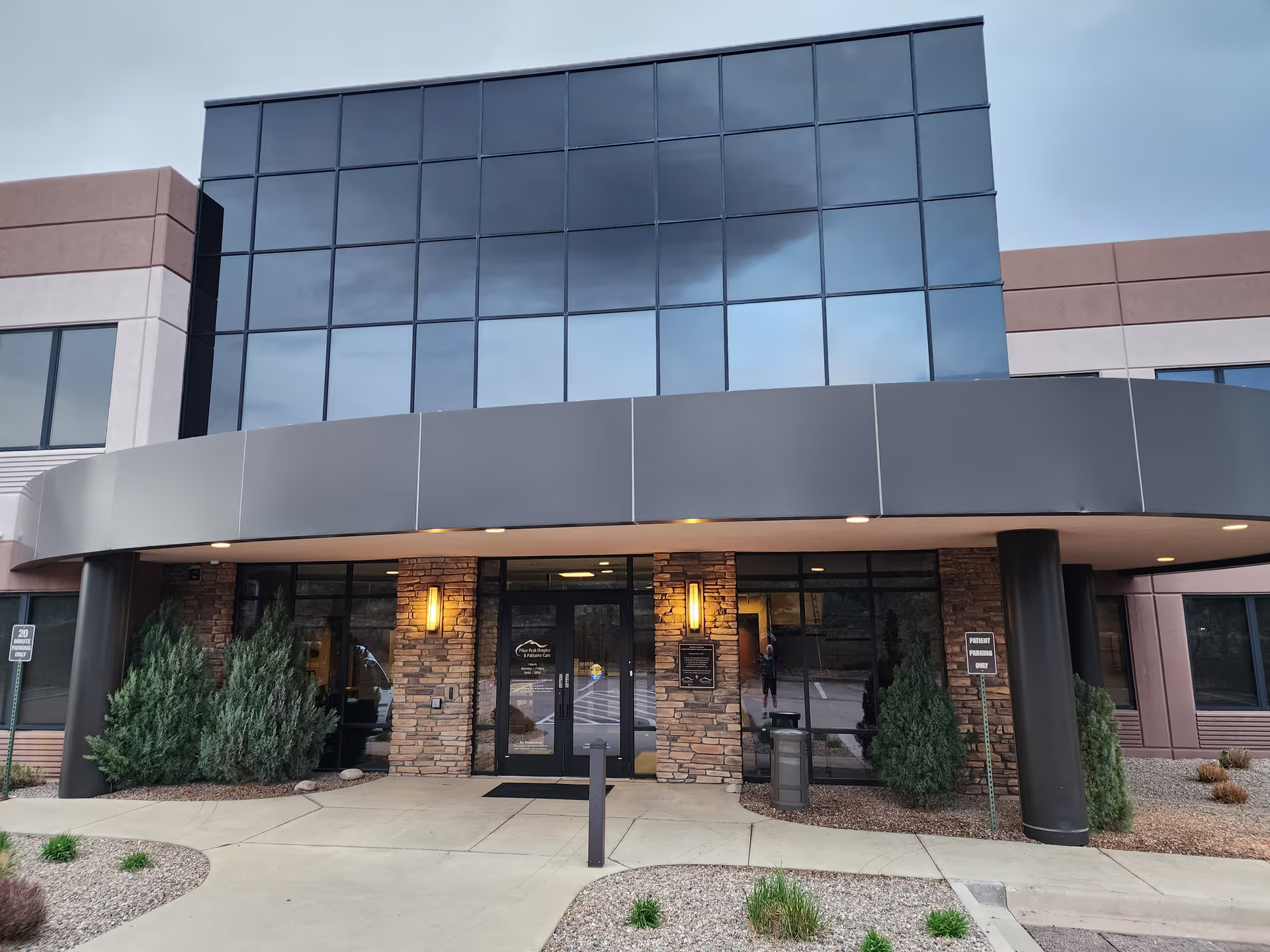
Reviewers present a polarized view of the agency: many families and clients describe high-quality personal care and clinical skill, while other experiences point to systemic operational weaknesses. On the positive side, caregivers are frequently characterized as compassionate, respectful and able to establish strong client–family rapport. Several reviewers singled out nurses and therapists as knowledgeable and effective in improving mobility and clinical status. Office staff also receives repeated praise for responsiveness, timely setup and verification, and willingness to coordinate schedules; the agency appears able to deliver a welcoming, pet-friendly, home-like service that some families value highly.
At the same time, a consistent pattern of administrative and reliability issues emerges. Scheduling reliability is a principal concern: no-shows, missed visits, last-minute cancellations and early discharges are described across a number of accounts. These failures often coincide with breakdowns in office communication and inconsistent follow-through from schedulers or managers. Paperwork and billing accuracy problems — including authorization gaps, repeated documentation resets and unresolved insurance information — create additional delays and frustration for families seeking continuity of care.
Clinical coordination and caregiver training also show mixed performance. While some clinicians are praised for skill and clear communication, other accounts describe limited clinical follow-through (for example, promised therapy not delivered or wound care tasks not completed) and aides who appear insufficiently trained or unprofessional. These descriptions suggest variability in staff competence and supervisory oversight rather than uniformly poor clinical care.
Management and policy issues contribute to the uneven experience. Positive comments reference long-tenured staff and named managers who are responsive and effective; negative comments reference a lack of accountability, unhelpful escalation pathways and occasional problematic administrative policies that affect clients (for example, parking/towing disputes and unclear cancellation rules). Staffing shortages and assignment instability appear to be an operational driver of many service gaps.
For prospective clients: the agency can deliver compassionate, clinically effective at-home care when staffing, communication and authorizations align. To reduce risk, consider confirming the following up front — the assigned caregiver roster and backup coverage, the primary office contact for escalations, a clear written schedule with cancellation and towing/parking policies, current insurance authorization status, and specific care tasks to be performed (therapy frequency, wound care, medication checks). Asking for references from families with similar needs (post-hospital recovery, wound care, dementia support) may help identify whether local teams consistently meet expectations.