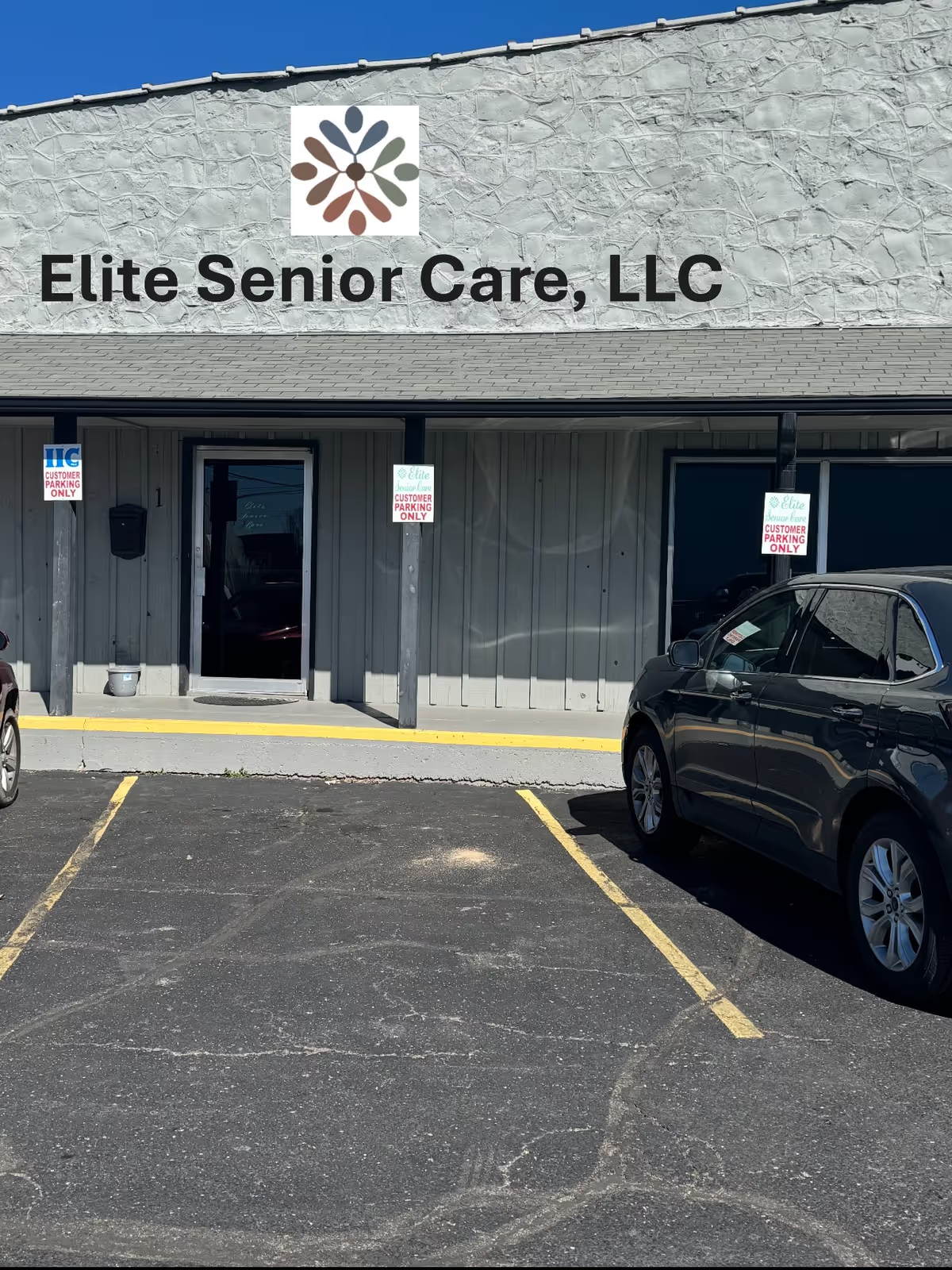
Overall impression: Reviewers consistently identify Elite Hospice as an agency with strong clinical strengths and a compassionate care culture. Many families praised the caregivers and nursing staff for being attentive, knowledgeable, and emotionally supportive; reviewers also highlighted effective pain management, 24/7 availability for clinical needs, and added services such as chaplain visits and physical therapy that improved quality of life. Several reviewers singled out individual nurses and case managers for particularly thoughtful, patient-centered care and clear communication.
Caregiver quality: The dominant theme is that caregivers are warm, respectful, and skilled at providing personal comfort and routine care. Nursing staff were frequently described as knowledgeable and patient-focused, with nurses and allied clinicians implementing tailored care plans. At the same time, there are recurring comments indicating variability in caregiver conduct and professionalism. These indicate that while many clients receive excellent hands-on care, consistency across all aides can be uneven.
Office communication and documentation: Many families praised the office for responsiveness, proactive check-ins, and clear explanations about care. However, several reviewers reported inconsistent clinical documentation and gaps in communication between office staff and frontline caregivers. In practice this has created stress for some families when notes or instructions were not consistently updated or relayed.
Reliability, scheduling and coverage: The agency demonstrates strengths in flexibility and an ability to keep clients at home with ongoing support. Reviewers noted prompt nurse visits and availability for urgent symptom management. Conversely, short staffing and inconsistent caregiver assignment were recurring operational concerns: examples include long wait times, unexpected substitute aides, and instances where on-call clinical coverage felt limited. These patterns suggest that staffing and scheduling processes occasionally fail to meet family expectations.
Medication management and clinical oversight: Positive comments about effective pain control coexist with several concerning accounts about medication processes and clinical follow-up. Reviewers who experienced problems described difficulty obtaining timely medication adjustments or clarity around medication plans. This points to an area where clearer protocols and stronger on-call clinic access could reduce risk and family anxiety.
Management and coordination: Families reported both strong care coordination—helpful case managers and supportive liaisons—and instances of uneven office management, including tension with particular managers and perceptions of inexperienced supervision. Social-work support was seen as valuable by some and insufficient by others, indicating variability in that function.
Value and overall recommendation: Many reviewers recommended Elite Hospice for compassionate, clinically capable in-home hospice care that prioritizes comfort and family support. At the same time, prospective clients should be aware of the operational trade-offs reported: expect generally strong nursing and symptom control but ask specific questions about caregiver continuity, on-call nurse availability, documentation practices, and how the agency handles staffing shortages. Those clarifications will help set expectations and identify whether the agency’s operational model fits a family’s needs.