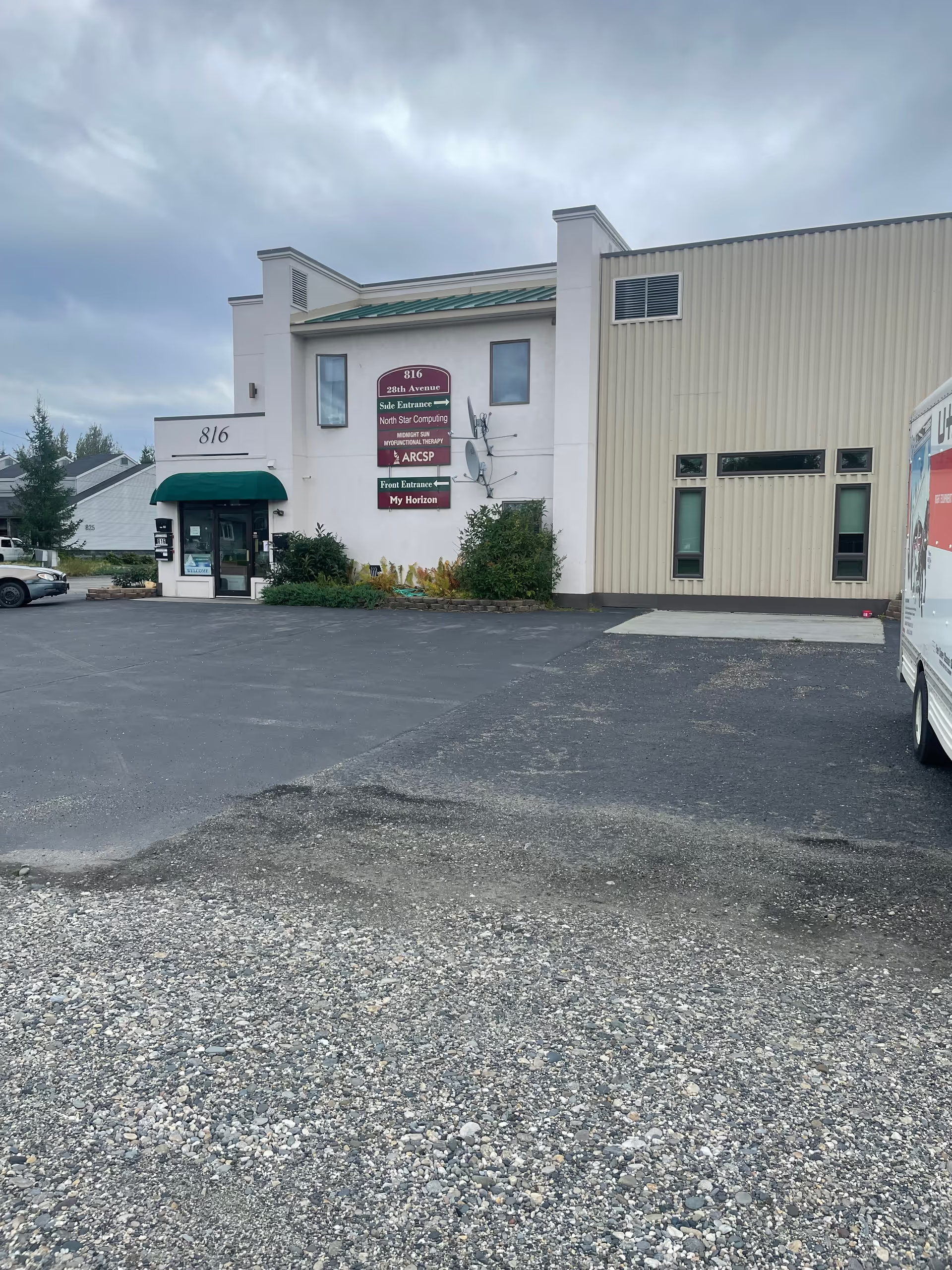
The set of review summaries describes a mixed experience with Providence at Home with Compassus: many families experienced compassionate, clinically capable caregivers—particularly within hospice teams—while others encountered serious operational shortcomings. Strengths that recur in positive accounts include clearly compassionate nursing staff and aides who provide respectful, attentive bedside care; hospice teams noted for effective symptom control and supportive end-of-life services; and organizational resources such as a 24-hour hotline, grief counseling and chaplain support, and practical home-rehabilitation/therapy services. Several reviewers specifically praised clinicians for clear explanations and families for feeling supported during difficult transitions.
Counterbalancing those positives are consistent operational issues. The most frequent theme is unreliable scheduling: repeated reschedules, late arrivals, and no-shows disrupted family plans and reduced time available for visits. That problem sits alongside poor office communication and weak follow-up from supervisors or case managers, leaving families without timely status updates or corrective action. Related issues include delays and errors in paperwork and insurance coordination, which reviewers say added administrative burden and sometimes delayed care access.
Clinical coordination and resourcing concerns also appear repeatedly. Reports describe inconsistent medication management and lapses in coordination between prescribers and visiting staff, as well as supply problems (for example, long delays securing required equipment). Staffing quality is variable in reviewers’ accounts: while some caregivers and nurses were singled out for excellence, others were described as inexperienced or behaving in ways families found unprofessional. Reviewers linked these clinical and staffing inconsistencies to weak supervisory oversight and uneven enforcement of standards.
Financial and organizational patterns were also raised. Families expressed confusion or dissatisfaction with billing and cancellation practices, and some perceived organizational incentives as prioritizing administrative or financial processes over consistent, client-centered care. Finally, reviewers described fragmented continuity of care—frequent discharges or handoffs and variability in who provides visits—which compounds both clinical and communication challenges.
For prospective clients and family members, the pattern suggests the agency can deliver strong, compassionate clinical care—especially in hospice settings—but that experience varies depending on local staffing and management performance. When evaluating this provider, ask specific questions about scheduling guarantees, no-show policies, medication reconciliation processes, supply/equipment delivery protocols, and the chain of supervisory responsibility. Request written confirmation of visit schedules, a clear single point of contact for escalations, and clarification of billing and cancellation terms before enrollment to reduce the likelihood of the operational problems described in these summaries.